

The Essential Role of Vacuum Filter Belts in Papermaking Machinery
Release time:
2024-07-31
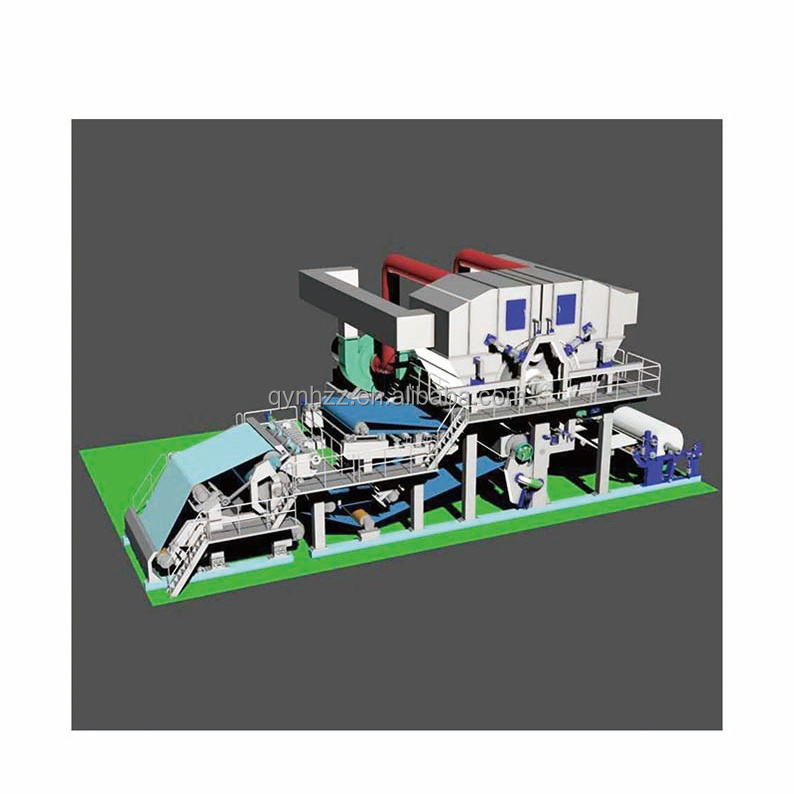
In the manufacturing and processing of paper, various components play vital roles, and one such crucial element is the vacuum filter belt. This specialized belt is an integral part of vacuum filtration systems, widely utilized in the papermaking machinery. Understanding the function and importance of vacuum filter belts can significantly enhance efficiency in paper production, making them a topic
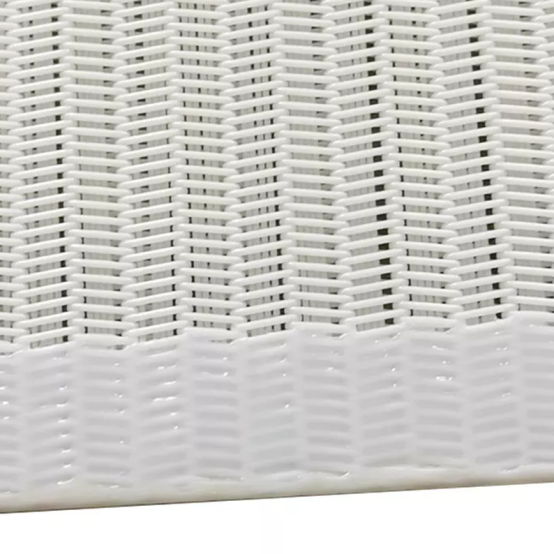
A vacuum filter belt is designed to separate solids from liquids during the papermaking process. This separation step is essential as it helps to remove excess water from the fiber slurry, allowing for a more concentrated pulp that can be formed into sheets of paper. The belt operates under the principle of vacuum suction, where atmospheric pressure forces the liquid through the belt while retaining the solid fibers. This process not only aids in dewatering but also ensures that the fibers remain intact and aligned, which is crucial for the quality of the final paper product.
One of the primary benefits of using vacuum filter belts is their ability to enhance operational efficiency. With a well-functioning vacuum filter belt in place, manufacturers can achieve higher throughput rates and lower energy consumption. The efficient removal of water from the pulp results in shorter drying times, which can lead to reduced operational costs and increased productivity. Furthermore, high-quality vacuum filter belts are engineered to withstand the harsh conditions typical in papermaking environments, such as chemicals, wear, and the high humidity levels associated with working with wet pulp.
Maintenance of vacuum filter belts is also a critical aspect that manufacturers should consider. Regular inspections and timely replacements are necessary to prevent any disruptions in the production process. Signs of wear and tear can lead to decreased performance, resulting in potential downtimes and suboptimal product quality. Understanding the specific requirements and characteristics of vacuum filter belts, such as the materials used and their construction, can aid manufacturers in making informed choices about maintenance and replacements.
In conclusion, vacuum filter belts are indispensable components in the machinery used for papermaking, offering vital functions that enhance productivity and product quality. By ensuring that these belts are well maintained and understanding their role in the filtration process, manufacturers can optimize their operations and achieve better outcomes in their paper manufacturing endeavors. As the industry continues to evolve, staying informed about the advancements in vacuum filter belt technology will be essential for those aiming to maintain a competitive edge in the market.
Qinyang NH Paper Machinery Industrial Group Co., Ltd.
WhatsApp/WeChat:Cathy Wang 0086-15721522521
WhatsApp/WeChat:Ailsa Zhao 0086-18300605679
ADD: Jianshe Road(South),Qinyang City Henan Province,China

Cathy Wang

Alisa Zhao

TikTok
Copyright©Qinyang City Nianhai Net Industry Co., Ltd.
SAF Coolest v1.3.1.1 设置面板 AIVSX-ZBBO-FQSEE-ZAS
无数据提示
Sorry, the current column has no content for the time being.!
You can view other columns or returnHome Page