

The Essential Guide to Paper Pulp Machines: Understanding Their Role in the Paper Manufacturing Process
Release time:
2024-08-04
In the paper manufacturing industry, one of the critical components for producing paper is the paper pulp machine. These machines play an essential role in transforming raw materials into pulp, which serves as the foundation for creating various types of paper products. Understanding how paper pulp machines operate and their characteristics can provide valuable insights to anyone interested in the
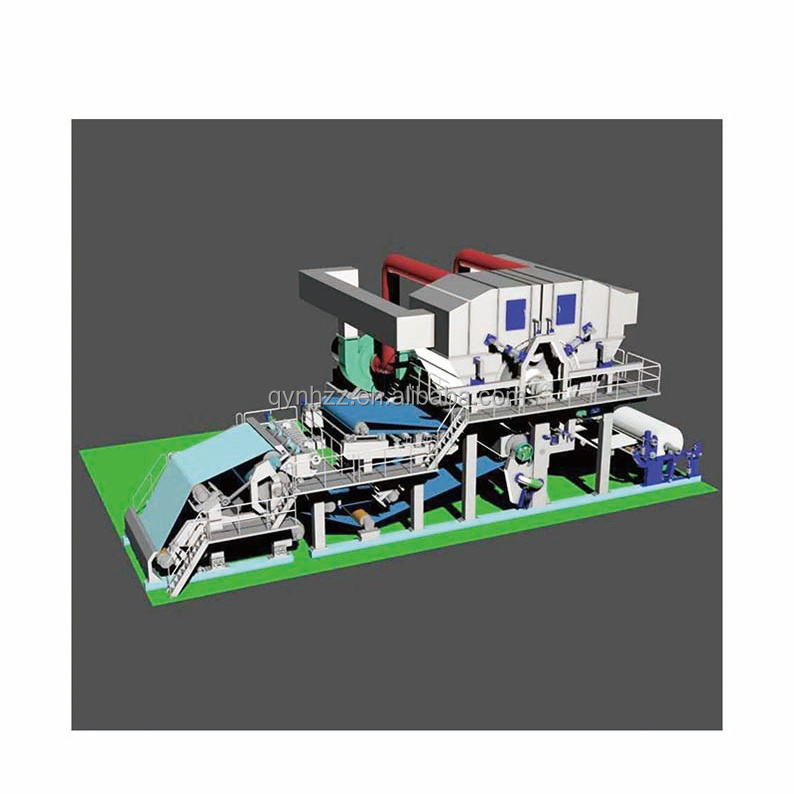
At its core, a paper pulp machine is designed to break down raw materials, such as wood chips, recycled paper, or agricultural residues, into pulp. This is typically accomplished through a combination of mechanical and chemical processes. The primary function of the machine is to separate the cellulose fibers from the non-fibrous components, resulting in a slurry that can be further processed into paper.
The process begins with the preparation of raw materials, which are often pre-treated to enhance fiber separation. Once the materials are ready, they are fed into the pulp machine, where they undergo several stages, including cooking, refining, and washing. Cooking typically involves using heat and chemicals to dissolve lignin, a substance that binds fibers together in wood. This step is crucial for achieving the desired pulp consistency.
Refining is the next critical stage, where mechanical forces are applied to the pulp to improve fiber bonding and enhance the quality of the final product. The pulp is then washed to remove impurities and excess chemicals, ensuring that the final pulp is clean and ready for papermaking.
One of the significant advantages of modern paper pulp machines is their ability to recycle waste materials effectively. This not only reduces the environmental impact of paper production but also helps manufacturers produce high-quality pulp from discarded paper products. By leveraging advanced technologies, these machines can significantly increase efficiency while maintaining low energy consumption.
In addition to recycling capabilities, today's paper pulp machines also offer enhanced automation and control systems. This allows manufacturers to monitor and adjust the pulp production process in real-time, leading to improved consistency and reduced operational costs. Furthermore, many machines are designed with modular components, making them adaptable to various production needs and enabling manufacturers to scale their operations as required.
The increasing demand for sustainable practices in the paper industry has further underscored the importance of paper pulp machines. As companies strive to minimize waste and reduce their carbon footprint, investing in advanced pulp processing technologies will be crucial for ensuring a competitive edge in the market.
In summary, paper pulp machines are vital to the paper manufacturing process, facilitating the conversion of raw materials into high-quality pulp. Their ability to recycle waste, along with advancements in automation and efficiency, positions them as essential tools in a sustainable paper production landscape. Understanding the functionality and benefits of these machines can help industry stakeholders make informed decisions about equipment investment and operational strategies.
Qinyang NH Paper Machinery Industrial Group Co., Ltd.
WhatsApp/WeChat:Cathy Wang 0086-15721522521
WhatsApp/WeChat:Ailsa Zhao 0086-18300605679
ADD: Jianshe Road(South),Qinyang City Henan Province,China

Cathy Wang

Alisa Zhao

TikTok
Copyright©Qinyang City Nianhai Net Industry Co., Ltd.
SAF Coolest v1.3.1.1 设置面板 AIVSX-ZBBO-FQSEE-ZAS
无数据提示
Sorry, the current column has no content for the time being.!
You can view other columns or returnHome Page