

Understanding Vacuum Filter Belts: Key Components in Papermaking Equipment
Release time:
2024-08-08
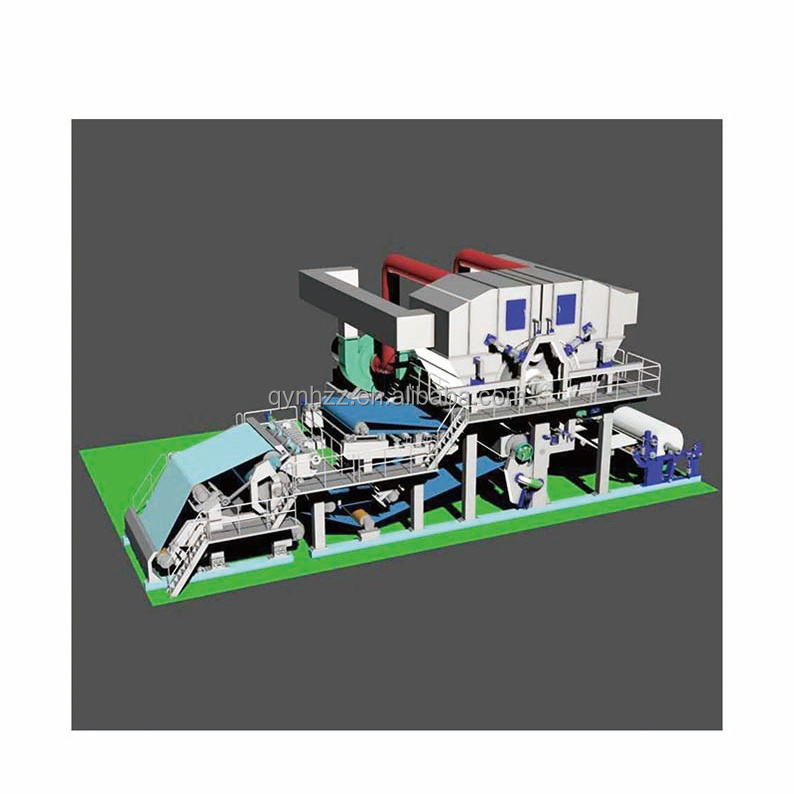
In the manufacturing and processing machinery sector, particularly in the papermaking industry, vacuum filter belts play a critical role in the efficiency and effectiveness of various filtration processes. These belts are specialized components designed to separate water from pulp, enabling the formation of sheets of paper with optimal moisture content. Understanding the functioning, construction,
A vacuum filter belt operates within a vacuum filtration system, where it moves continuously to transport pulp while allowing water to be extracted through the belt's porous surface. The filtration process is crucial because it determines the consistency and quality of the paper produced. A well-functioning vacuum filter belt can significantly enhance the drying process and contribute to overall energy savings in the papermaking operation.
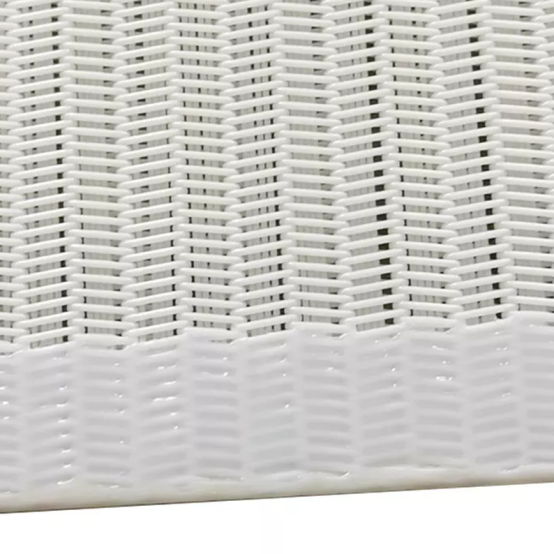
Typically made from durable materials such as polyester or nylon, these belts are engineered to handle the specific demands of the papermaking environment. Their design often includes a mesh structure that facilitates efficient liquid drainage while providing sufficient strength to withstand the mechanical stresses of continuous operation. The materials used are resistant to wear and tear, ensuring longevity and reliability in demanding production settings.
The efficiency of a vacuum filter belt is influenced by several factors, including proper tensioning, alignment, and regular maintenance. Ensuring that the belt is correctly tensioned can prevent slippage and ensure optimal filtration performance. Additionally, routine inspections for wear and damage are vital. Operators should monitor for signs of fraying or punctures, as these can lead to decreased efficiency and potential disruptions in the production process.
The role of vacuum filter belts extends beyond mere functionality; they also contribute to environmental sustainability. By effectively removing excess water from pulp, these belts help reduce the energy required for drying paper, thereby lowering the overall carbon footprint of the manufacturing process. This alignment with sustainability goals is increasingly important as the industry faces pressure to adopt greener practices.
In conclusion, vacuum filter belts are indispensable components that facilitate the efficient production of quality paper. Their design, function, and maintenance are critical for optimizing the filtration process, which in turn impacts overall production efficiency and sustainability. For professionals in the papermaking industry, understanding these key aspects can enhance operational performance and contribute to long-term success. Regular maintenance and attention to the condition of vacuum filter belts can lead to significant improvements in both product quality and production efficiency.
Qinyang NH Paper Machinery Industrial Group Co., Ltd.
WhatsApp/WeChat:Cathy Wang 0086-15721522521
WhatsApp/WeChat:Ailsa Zhao 0086-18300605679
ADD: Jianshe Road(South),Qinyang City Henan Province,China

Cathy Wang

Alisa Zhao

TikTok
Copyright©Qinyang City Nianhai Net Industry Co., Ltd.
SAF Coolest v1.3.1.1 设置面板 AIVSX-ZBBO-FQSEE-ZAS
无数据提示
Sorry, the current column has no content for the time being.!
You can view other columns or returnHome Page