

Innovative Paper Making Solutions: Streamlining Production Processes for Enhanced Efficiency
Release time:
2024-08-13
Innovative Paper Making Solutions: Streamlining Production Processes Introduction to the Modern Paper Industry The paper industry has undergone significant transformations over the years, driven by the need for greater efficiency, sustainability, and cost-effectiveness. As global demand for paper products continues to rise, manufacturers are increasingly seeking innovative solutions to streamline
Innovative Paper Making Solutions: Streamlining Production Processes
Introduction to the Modern Paper Industry
The paper industry has undergone significant transformations over the years, driven by the need for greater efficiency, sustainability, and cost-effectiveness. As global demand for paper products continues to rise, manufacturers are increasingly seeking innovative solutions to streamline their production processes. In this article, we delve into the latest advancements in paper making technology and explore how these innovations can enhance productivity and reduce operational costs.
Understanding the Paper Making Process
To appreciate the innovations within the paper making industry, it is essential to understand the fundamental steps involved in production. The traditional process includes several stages:
1. Raw Material Preparation
The first step involves sourcing and preparing raw materials, typically wood pulp. Depending on the desired paper quality, manufacturers can choose between various types of pulp, including mechanical, chemical, and recycled pulp.
2. Pulping
Pulping is the process of breaking down raw materials into fibrous pulp. This can be achieved through mechanical means or chemical treatment, depending on the desired paper properties.
3. Refining
Refining improves the fibers' bonding potential, ensuring a uniform paper structure. This step is critical for achieving the desired paper strength and quality.
4. Sheet Formation
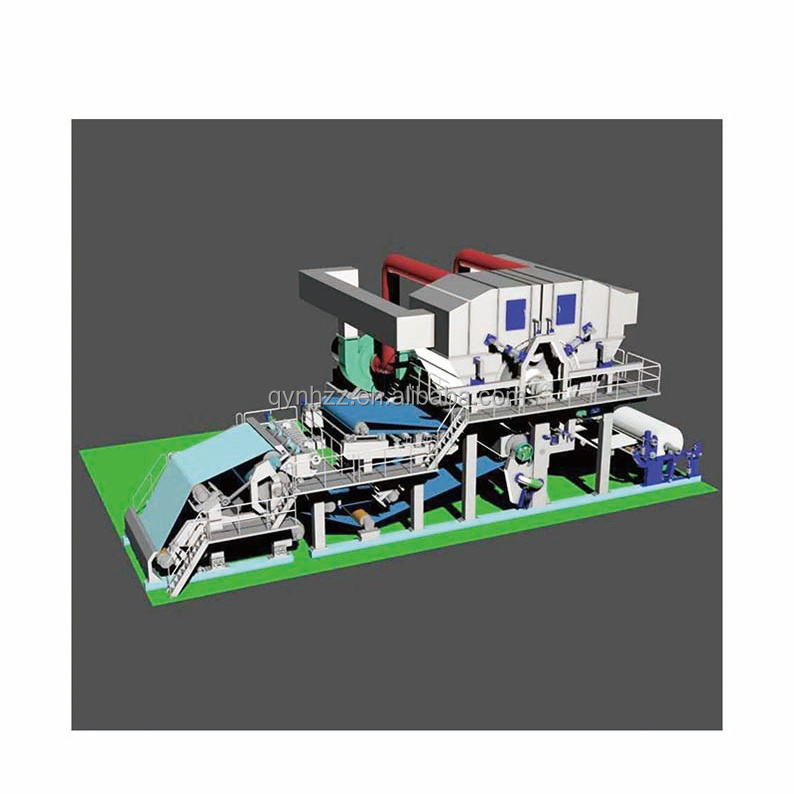
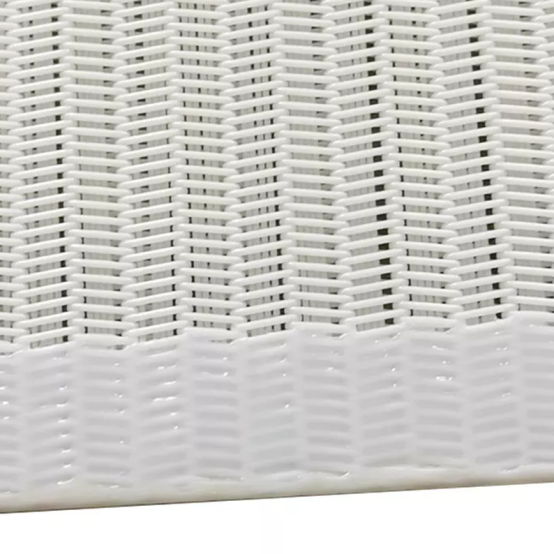
During sheet formation, pulp is spread onto a moving wire mesh conveyor, allowing water to drain, and forming sheets of wet paper.
5. Drying
The wet sheets are passed through heated rollers, removing moisture and solidifying the paper's structure.
6. Finishing
Finally, the paper goes through various finishing processes, such as calendering and coating, to achieve the desired surface finish and quality.
Why Innovations Matter in Paper Making
The paper making industry faces challenges like environmental regulations, rising energy costs, and the need for sustainable practices. Therefore, adopting innovative solutions is fundamental to achieving operational efficiency and maintaining competitiveness. Innovations in technology and processes can lead to significant improvements in production speed, reduced waste, and enhanced product quality.
Key Innovations in Paper Making Equipment
Recent advancements in paper making machinery have played a pivotal role in transforming production processes. Below, we highlight some of the most noteworthy innovations:
1. Advanced Pulping Technologies
Modern pulping technologies, such as enzymatic pulping and ultrasonic-assisted pulping, have shown promise in improving fiber yield while minimizing energy consumption. These innovative methods not only enhance the quality of pulp but also reduce the environmental impact associated with traditional pulping methods.
Benefits of Advanced Pulping Technologies
- **Higher Fiber Yield:** Advanced methods extract more fiber from raw materials.
- **Lower Energy Consumption:** Innovative techniques reduce energy requirements significantly.
- **Eco-Friendly Processes:** Minimized use of harmful chemicals leads to a more sustainable operation.
2. Continuous Digestion Systems
Continuous digestion systems enable uninterrupted processing of wood chips into pulp. This technology enhances efficiency by reducing downtime and optimizing chemical usage, ultimately leading to higher production rates.
Advantages of Continuous Digestion Systems
- **Increased Production Rates:** Continuous systems allow for consistent output.
- **Reduced Chemical Usage:** Optimized chemical management minimizes waste and costs.
- **Lower Operational Costs:** Streamlined processes contribute to overall cost reductions.
3. Energy-Efficient Drying Solutions
Energy consumption during the drying process can account for a significant portion of production costs. Innovations such as infrared drying and microwave drying offer energy-efficient alternatives that expedite moisture removal while improving paper quality.
Features of Energy-Efficient Drying Solutions
- **Faster Drying Times:** Reduced moisture removal time enhances overall productivity.
- **Lower Energy Costs:** Energy-efficient methods decrease operational expenses.
- **Improved Paper Quality:** Innovative drying methods minimize defects, ensuring superior products.
4. Smart Automation and Control Systems
Adopting smart automation in paper mills allows for real-time monitoring and control of production processes. These systems utilize IoT technology to collect data and optimize operations, leading to improved efficiency and reduced waste.
Key Benefits of Smart Automation
- **Real-Time Monitoring:** Instant data access enhances decision-making capabilities.
- **Predictive Maintenance:** Automated systems can anticipate equipment failures, minimizing unplanned downtime.
- **Optimized Resource Management:** Smart systems improve material usage, reducing waste.
Implementing Innovative Solutions in Paper Production
While the benefits of innovative paper making solutions are significant, successful implementation requires a strategic approach. Here are essential steps to ensure a smooth transition:
1. Assess Current Processes
Before adopting new technologies, a thorough assessment of existing production processes is vital. Identify areas that require improvement, focusing on efficiency, waste reduction, and cost savings.
2. Engage with Technology Providers
Collaborate with reputable technology providers who specialize in paper making solutions. Their expertise can help identify the best innovations suited for your production line.
3. Train Employees
Employee training is crucial to the successful implementation of new technologies. Ensure that staff understands the operation of innovative equipment and the benefits it brings to the production process.
4. Monitor Performance
After implementation, continuously monitor the performance of new systems. Use key performance indicators (KPIs) to assess the impact of innovations on overall production efficiency.
Case Studies: Success Stories in Innovative Paper Making
Several companies have successfully integrated innovative solutions into their paper production processes. Here are a few noteworthy examples:
1. Company A: Reducing Energy Costs by 30%
By implementing advanced drying technologies, Company A reduced its energy consumption by 30% while increasing paper quality. These changes resulted in significant cost savings and improved sustainability.
2. Company B: Enhanced Production Rates
Company B adopted continuous digestion systems, leading to a marked increase in production rates. The streamlined process not only improved output but also minimized chemical usage.
3. Company C: Waste Reduction Initiatives
By engaging in smart automation, Company C effectively reduced waste in its production processes. Real-time monitoring allowed for better resource management and lowered operational costs.
Future Trends in Paper Making Technology
As we look to the future, several trends are emerging in the paper making industry that promise to further streamline production processes:
1. Increased Focus on Sustainability
Sustainability will continue to drive innovation in the paper making sector. From sourcing raw materials to waste management, companies will seek eco-friendly solutions to meet regulatory requirements and consumer demand for sustainable products.
2. Advanced Material Science
The exploration of new materials, including biodegradable and recycled options, will play a crucial role in future paper production. This advancement may lead to the development of lighter, stronger, and more sustainable paper products.
3. Industry 4.0 Integration
The rise of Industry 4.0 will further influence the paper making industry. The integration of AI, machine learning, and big data analytics will optimize production processes, improve quality control, and enhance decision-making.
FAQs on Innovative Paper Making Solutions
1. What are the primary benefits of adopting innovative paper making solutions?
Adopting innovative solutions leads to improved efficiency, reduced waste, lower operational costs, and enhanced product quality.
2. How can energy-efficient drying solutions impact production costs?
Energy-efficient drying solutions can significantly lower energy consumption, resulting in reduced operational expenses.
3. What role does smart automation play in paper making?
Smart automation allows for real-time monitoring and control of production processes, optimizing operations and minimizing waste.
4. Can advanced pulping technologies improve sustainability?
Yes, advanced pulping technologies reduce chemical usage and enhance fiber yield, contributing to more sustainable production practices.
5. What are the future trends expected in the paper making industry?
Future trends include increased sustainability focus, advanced material science exploration, and greater integration of Industry 4.0 technologies.
Conclusion
The paper making industry is evolving rapidly, driven by innovations that streamline production processes and enhance efficiency. By embracing advanced technologies and methodologies, manufacturers can position themselves for success in a competitive landscape. The future holds exciting possibilities, and those willing to adapt will undoubtedly reap the benefits of these innovative solutions. Embracing change is not just an option; it is essential for sustained growth and competitiveness in the ever-demanding world of paper production.
Qinyang NH Paper Machinery Industrial Group Co., Ltd.
WhatsApp/WeChat:Cathy Wang 0086-15721522521
WhatsApp/WeChat:Ailsa Zhao 0086-18300605679
ADD: Jianshe Road(South),Qinyang City Henan Province,China

Cathy Wang

Alisa Zhao

TikTok
Copyright©Qinyang City Nianhai Net Industry Co., Ltd.
SAF Coolest v1.3.1.1 设置面板 AIVSX-ZBBO-FQSEE-ZAS
无数据提示
Sorry, the current column has no content for the time being.!
You can view other columns or returnHome Page