

Understanding Vacuum Filter Belts: Essential Components for Efficient Paper Manufacturing
Release time:
2024-08-24
Vacuum filter belts are vital components in the paper manufacturing process, playing a crucial role in the filtration and dewatering stages. These belts are designed to assist in the separation of water from pulp, enabling effective drying and shaping of paper products. Understanding the functionality and maintenance of vacuum filter belts can significantly enhance the efficiency of your manufactu
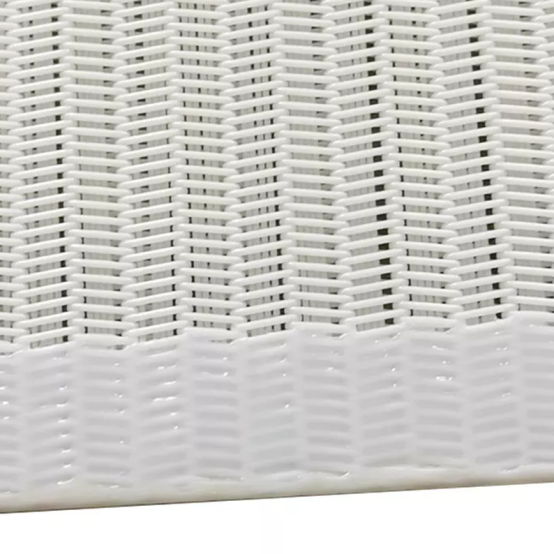
The primary function of a vacuum filter belt is to provide a surface for the pulp slurry to settle, allowing excess water to be drawn away through a vacuum system. This process not only aids in the concentration of fibers but also minimizes water content, resulting in high-quality paper products. A well-functioning vacuum filter belt enhances the overall performance of the vacuum filtration system, allowing for consistent production rates and reduced energy consumption.
When selecting a vacuum filter belt, consider the belt's material and design. Common materials include synthetic fabrics, which offer durability and resistance to wear and tear. The design of the belt is equally important; it should facilitate optimal drainage and provide sufficient support for the pulp. An incorrect choice of belt can lead to inefficiencies, increased energy costs, and potential downtime in production.
Maintenance is critical for ensuring longevity and optimal performance of vacuum filter belts. Regular inspections should be conducted to identify any signs of wear, such as fraying or tearing. Keeping the belts clean and free from debris is essential, as buildup can hinder performance and lead to operational issues. Implementing a routine maintenance schedule can help in early detection of problems, allowing for timely interventions and reducing the risk of failure during critical production periods.
It is also advisable to monitor the operating conditions of the vacuum system, as fluctuations can impact the efficiency of the filter belts. Maintaining consistent vacuum levels and ensuring proper alignment will help in achieving optimal performance. Furthermore, training personnel on the operation and maintenance of vacuum filter belts can lead to better handling and increased awareness of potential issues.
In conclusion, vacuum filter belts are essential for efficient paper manufacturing, contributing significantly to the dewatering and filtration processes. By understanding their functionality, ensuring proper maintenance, and selecting the appropriate materials and designs, manufacturers can optimize their operations and produce high-quality paper products. Investing time and resources in the upkeep of these components will ultimately pay off in terms of enhanced productivity and reduced operational costs.
Qinyang NH Paper Machinery Industrial Group Co., Ltd.
WhatsApp/WeChat:Cathy Wang 0086-15721522521
WhatsApp/WeChat:Ailsa Zhao 0086-18300605679
ADD: Jianshe Road(South),Qinyang City Henan Province,China

Cathy Wang

Alisa Zhao

TikTok
Copyright©Qinyang City Nianhai Net Industry Co., Ltd.
SAF Coolest v1.3.1.1 设置面板 AIVSX-ZBBO-FQSEE-ZAS
无数据提示
Sorry, the current column has no content for the time being.!
You can view other columns or returnHome Page