

Unlocking Efficiency: How a Pulp Screening Machine Can Transform Your Paper Production
Release time:
2024-09-30
Unlocking Efficiency: How a Pulp Screening Machine Can Transform Your Paper Production Table of Contents 1. Introduction to Pulp Screening Machines 2. Understanding the Role of Pulp Screening in Paper Production 2.1 The Basics of Pulp Screening 2.2 Importance of Pulp Quality in Paper Production 3. Key Components of a Pulp Screening Machine 3.1 Screens and Mesh Types 3.2 The Role of Pumping and Flo
Unlocking Efficiency: How a Pulp Screening Machine Can Transform Your Paper Production
Table of Contents
1. Introduction to Pulp Screening Machines
2. Understanding the Role of Pulp Screening in Paper Production
2.1 The Basics of Pulp Screening
2.2 Importance of Pulp Quality in Paper Production
3. Key Components of a Pulp Screening Machine
3.1 Screens and Mesh Types
3.2 The Role of Pumping and Flow Control
4. Types of Pulp Screening Machines
4.1 Pressure Screening Machines
4.2 Low-Consistency Screening Machines
4.3 High-Consistency Screening Machines
5. Advantages of Using Pulp Screening Machines
5.1 Enhanced Efficiency and Yield
5.2 Cost Reduction and Waste Minimization
5.3 Improved Product Quality
6. Innovations in Pulp Screening Technology
6.1 Smart Screening Solutions
6.2 Energy-Efficient Designs
7. Implementation Strategies for Pulp Screening Machines
7.1 Assessing Your Production Needs
7.2 Step-by-Step Installation Guide
8. Frequently Asked Questions (FAQs)
9. Conclusion
1. Introduction to Pulp Screening Machines
In the fast-paced world of paper manufacturing, **efficiency** is key. The integration of advanced technologies such as **pulp screening machines** has significantly altered the landscape of paper production. These machines play a crucial role in ensuring that the pulp used for making paper is of the highest quality, free from contaminants, and ready for the subsequent production processes.
In this article, we will delve deep into how pulp screening machines operate, their benefits, innovations, and how they can be effectively implemented in your production line to achieve unparalleled efficiency.
2. Understanding the Role of Pulp Screening in Paper Production
Pulp screening is a critical stage in the paper production process. It involves the removal of undesirable elements from the pulp, ensuring that only the best quality material proceeds to the paper-making phase.
2.1 The Basics of Pulp Screening
Pulp screening is essentially a filtration process. It separates the pulp into two streams: **accepts** (good pulp) and **rejects** (contaminants or undesirable materials). This process not only enhances the quality of the final paper product but also optimizes the overall efficiency of the production line.
2.2 Importance of Pulp Quality in Paper Production
The quality of the pulp directly influences the characteristics of the finished paper. High-quality pulp leads to stronger, more durable paper, while poor-quality pulp can result in defects, leading to higher waste and production costs. Hence, efficient pulp screening is paramount in maintaining product quality and minimizing waste.
3. Key Components of a Pulp Screening Machine
To understand how a pulp screening machine enhances efficiency, it is essential to know its key components.
3.1 Screens and Mesh Types
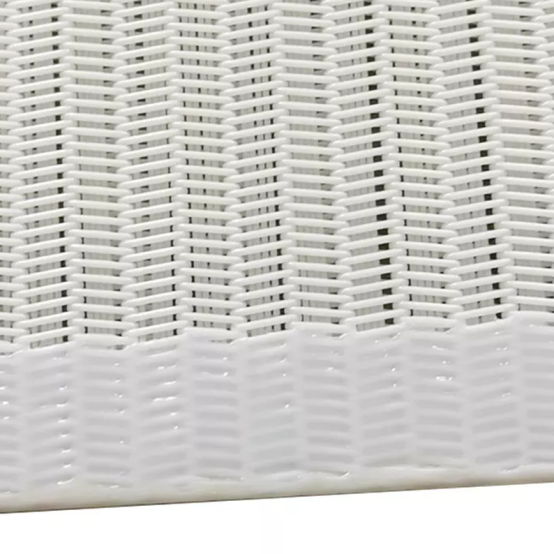
The screens in a pulp screening machine are designed to filter out contaminants. The type of mesh used can significantly affect the screening efficiency. **Fine screens** are used for high-quality pulp, while **coarse screens** can be employed for lower-grade materials. The choice of screen must align with the specific requirements of the production process.
3.2 The Role of Pumping and Flow Control
Efficient pulp screening also depends on effective pumping and flow control systems. These systems ensure that the pulp flows at the optimal rate, allowing for maximum filtration and minimum downtime.
4. Types of Pulp Screening Machines
There are several types of pulp screening machines, each designed for specific applications.
4.1 Pressure Screening Machines
Pressure screening machines operate on the principle of pumping pulp through a screen under pressure. This method is highly effective for separating fine contaminants and provides higher throughput compared to traditional methods.
4.2 Low-Consistency Screening Machines
These machines handle pulp consistency levels below 5%. They are typically used in the early stages of pulp processing to remove larger contaminants.
4.3 High-Consistency Screening Machines
High-consistency screening machines work with pulp consistency levels above 5%, making them suitable for applications requiring thorough contamination removal.
5. Advantages of Using Pulp Screening Machines
Integrating pulp screening machines into your production process offers numerous benefits.
5.1 Enhanced Efficiency and Yield
Pulp screening machines increase overall production efficiency by ensuring that only high-quality pulp is used in the production process. This leads to higher yield rates and reduced production costs.
5.2 Cost Reduction and Waste Minimization
By effectively removing contaminants, pulp screening machines help minimize waste. This reduction in scrap material translates into significant cost savings for manufacturers.
5.3 Improved Product Quality
A direct consequence of efficient pulp screening is the enhancement of product quality. With fewer contaminants in the pulp, the final paper product exhibits better strength, durability, and appearance.
6. Innovations in Pulp Screening Technology
The pulp screening industry is continuously evolving, with numerous innovations designed to increase efficiency and effectiveness.
6.1 Smart Screening Solutions
Many modern pulp screening machines incorporate smart technology, allowing for real-time monitoring of pulp quality and machine performance. This capability enables manufacturers to make informed decisions and address potential issues proactively.
6.2 Energy-Efficient Designs
With increasing awareness of sustainability, many pulp screening machines are now designed to be energy-efficient, reducing operational costs while minimizing environmental impact.
7. Implementation Strategies for Pulp Screening Machines
When considering the integration of pulp screening machines into your production line, strategic planning is essential.
7.1 Assessing Your Production Needs
Before investing in a pulp screening machine, it is crucial to assess your specific production needs. Consider factors such as production volume, desired pulp quality, and the types of contaminants present in your raw materials.
7.2 Step-by-Step Installation Guide
1. **Site Assessment**: Evaluate the installation site to ensure it meets the machine's operational requirements.
2. **Equipment Selection**: Choose the appropriate type of pulp screening machine based on your production needs.
3. **Installation**: Follow the manufacturer’s guidelines for installation, ensuring proper alignment and connections.
4. **Testing**: Conduct thorough testing to ensure the machine operates efficiently.
5. **Training**: Provide training for operators to maximize the machine's capabilities.
8. Frequently Asked Questions (FAQs)
What is a pulp screening machine?
A pulp screening machine is a device used in the paper production process to filter out unwanted materials and contaminants from pulp, ensuring only high-quality pulp is used.
How does pulp screening affect paper quality?
Pulp screening directly impacts paper quality by removing impurities that can lead to defects such as weak spots, discoloration, or poor texture.
What are the different types of pulp screening machines?
The main types of pulp screening machines include pressure screening machines, low-consistency screening machines, and high-consistency screening machines.
Can pulp screening machines help reduce production costs?
Yes, by minimizing waste and enhancing efficiency, pulp screening machines can significantly reduce overall production costs.
What innovations are currently shaping pulp screening technology?
Recent innovations include smart screening solutions for real-time monitoring and energy-efficient designs that reduce operational costs.
9. Conclusion
In conclusion, the integration of **pulp screening machines** into the paper production process represents a significant leap towards achieving higher efficiency, reduced costs, and improved product quality. By understanding the various types of pulp screening machines, their components, and implementation strategies, manufacturers can unlock the full potential of these machines. As the industry continues to evolve with technological advancements, staying informed and adapting to these changes will be vital for maintaining a competitive edge in the market. The journey toward optimizing paper production starts with effective pulp screening, paving the way for a more sustainable and profitable future.
Qinyang NH Paper Machinery Industrial Group Co., Ltd.
WhatsApp/WeChat:Cathy Wang 0086-15721522521
WhatsApp/WeChat:Ailsa Zhao 0086-18300605679
ADD: Jianshe Road(South),Qinyang City Henan Province,China

Cathy Wang

Alisa Zhao

TikTok
Copyright©Qinyang City Nianhai Net Industry Co., Ltd.
SAF Coolest v1.3.1.1 设置面板 AIVSX-ZBBO-FQSEE-ZAS
无数据提示
Sorry, the current column has no content for the time being.!
You can view other columns or returnHome Page