

The Future of Paper Production: A Comprehensive Guide to Complete Sets of Paper Making Machines
Release time:
2024-10-24
The Future of Paper Production: A Comprehensive Guide to Complete Sets of Paper Making Machines As we navigate the complexities of modern manufacturing, the **paper industry** stands at a pivotal juncture. With increasing demands for efficiency, sustainability, and quality, the evolution of **paper-making machines** is crucial. This article will explore the future of **paper production**, focusing
The Future of Paper Production: A Comprehensive Guide to Complete Sets of Paper Making Machines
As we navigate the complexities of modern manufacturing, the **paper industry** stands at a pivotal juncture. With increasing demands for efficiency, sustainability, and quality, the evolution of **paper-making machines** is crucial. This article will explore the future of **paper production**, focusing on the complete sets of machines that drive this essential industry.
Table of Contents
1. Understanding the Paper Production Process
2. The Role of Complete Paper Making Machines
3. Innovations in Paper Making Technology
4. Sustainability in Paper Production
5. Key Components of Complete Paper Making Machines
6. Future Trends in Paper Making Machinery
7. Choosing the Right Paper Making Equipment
8. Frequently Asked Questions (FAQs)
9. Conclusion
1. Understanding the Paper Production Process
The paper production process is intricate and involves several stages, from sourcing raw materials to the final product. Understanding this process is essential for appreciating the significance of complete sets of paper-making machines.
The journey begins with the selection of raw materials, typically wood fibers, recycled paper, or alternative sources like agricultural residues. These materials undergo processes such as pulping, refining, and dewatering, leading to the creation of a paper sheet.
Modern advancements have streamlined these processes, enhancing efficiency and reducing waste. As we look toward the future, it becomes clear that a complete set of machines, including pulpers, refiners, and dryers, are integral to optimizing paper production.
2. The Role of Complete Paper Making Machines
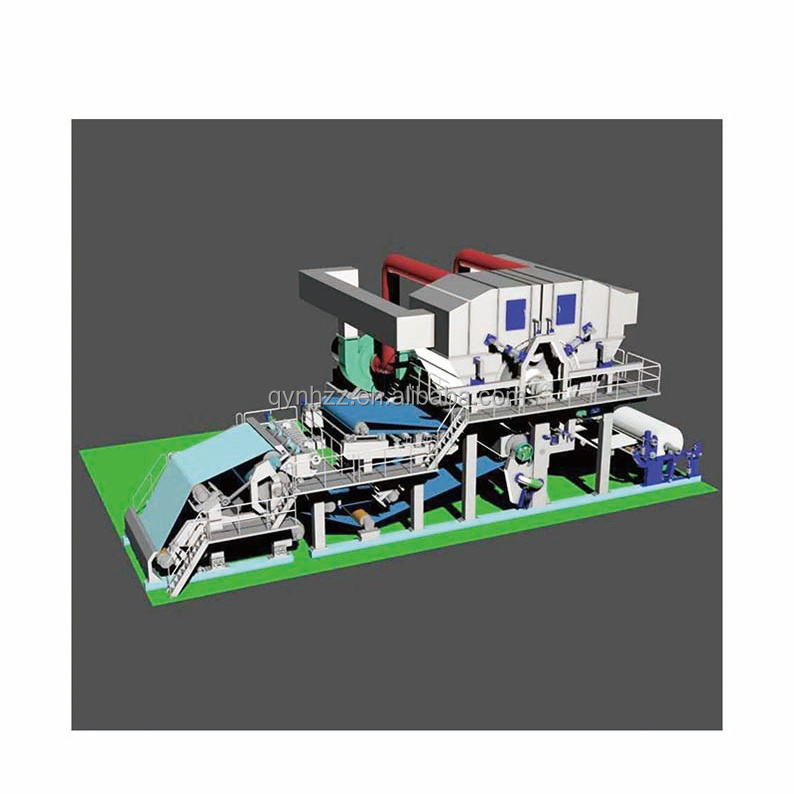
Complete sets of paper-making machines serve as the backbone of the paper production industry. These machines automate various stages of the production process, significantly improving speed and consistency while reducing human error.
Each machine within the set plays a vital role:
- **Pulpers** break down raw materials.
- **Refiners** improve the quality of pulp.
- **Sheet formers** shape the pulp into sheets.
- **Dryers** remove moisture, ensuring the final product meets quality standards.
By integrating these components into a cohesive system, manufacturers can achieve greater efficiency and flexibility, adapting to varying production demands and market trends.
3. Innovations in Paper Making Technology
Technological advancements are reshaping the paper-making landscape. Innovations in automation, artificial intelligence, and data analytics are enhancing machine performance and operational efficiency.
**Smart technology** integration allows machines to communicate with each other, optimizing workflows and minimizing downtime. For instance, AI can predict maintenance needs, preventing costly halts in production.
Moreover, **biodegradable materials** and eco-friendly processes are gaining traction. Manufacturers are developing machines capable of working with alternative fibers, promoting sustainability while maintaining production quality.
4. Sustainability in Paper Production
As the world increasingly prioritizes sustainability, the paper industry must adapt. Complete sets of paper-making machines are now designed with eco-friendly practices in mind.
These innovations include:
- **Energy-efficient systems** that reduce power consumption.
- **Water recycling systems** that minimize water usage.
- **Waste reduction technologies** that repurpose by-products.
The shift toward sustainable practices not only meets consumer demand but also aligns with global environmental goals, ensuring the industry’s long-term viability.
5. Key Components of Complete Paper Making Machines
Understanding the essential components of complete paper-making machines is crucial for manufacturers seeking to optimize their production lines. Key components include:
5.1 Pulping Machines
Pulping machines are responsible for converting raw materials into pulp. They must efficiently break down fibers while preserving their integrity.
5.2 Refiners
Refiners enhance pulp quality by further breaking down fibers. They play a crucial role in determining the final paper characteristics, such as strength and smoothness.
5.3 Forming Sections
This section shapes the pulp into sheets, ensuring uniformity. Advanced forming technologies help achieve higher quality sheets with reduced waste.
5.4 Drying Units
Drying units remove moisture content, which is critical for ensuring the durability and usability of the final paper products.
5.5 Calenders
Calenders smooth and finish the paper, enhancing its aesthetic qualities. The quality of calendering can significantly impact the final product's appearance and texture.
6. Future Trends in Paper Making Machinery
The future of paper production will likely see several transformative trends, including:
6.1 Automation and Smart Manufacturing
Incorporating advanced automation will streamline processes, reduce labor costs, and enhance productivity. Smart manufacturing technologies will enable real-time monitoring and adaptive processes.
6.2 Sustainable Materials and Processes
There will be an increased focus on utilizing sustainable raw materials and processes. Machines that can process alternative fibers and promote closed-loop recycling will become more prevalent.
6.3 Customization and Flexibility
As consumer preferences shift, manufacturers will need machines capable of producing a variety of paper types with minimal downtime. Customizable machines will allow for quick adjustments to meet specific production requirements.
7. Choosing the Right Paper Making Equipment
Selecting the right paper-making equipment is crucial for ensuring operational efficiency and product quality. Manufacturers should consider several factors:
7.1 Production Volume
Assessing anticipated production volumes helps determine the scale of machinery required.
7.2 Product Specifications
Understanding the desired characteristics of the final paper product will influence machinery selection.
7.3 Technological Features
Investing in advanced technological features, such as automation and smart capabilities, can enhance productivity and reduce costs.
7.4 Sustainability Goals
Consideration of sustainability goals is essential. Machines that facilitate eco-friendly practices will align with future industry standards.
8. Frequently Asked Questions (FAQs)
8.1 What are the main components of a complete paper-making machine?
A complete paper-making machine typically includes pulping machines, refiners, forming sections, drying units, and calenders.
8.2 How do innovations in technology impact paper production?
Innovations enhance efficiency, reduce waste, and allow for the integration of sustainable practices, ensuring a competitive edge.
8.3 What are the benefits of sustainable paper production?
Sustainable practices reduce environmental impact, improve brand reputation, and meet consumer demand for eco-friendly products.
8.4 How can manufacturers choose the right equipment?
Manufacturers should assess production volume, product specifications, technological features, and sustainability goals when choosing equipment.
8.5 What future trends should we be aware of in paper making machinery?
Future trends include increased automation, sustainable materials usage, and machines designed for customization and flexibility.
9. Conclusion
The future of paper production is being shaped by advancements in technology, a focus on sustainability, and an evolving understanding of market demands. Complete sets of paper-making machines play a pivotal role in this transformation, offering solutions that enhance efficiency, reduce waste, and promote environmental responsibility.
As we move forward, manufacturers must remain adaptable, embracing innovations and sustainable practices to thrive in an ever-changing landscape. By investing in the right technology and aligning with global sustainability goals, the paper industry can ensure a prosperous and responsible future.

Qinyang NH Paper Machinery Industrial Group Co., Ltd.
WhatsApp/WeChat:Cathy Wang 0086-15721522521
WhatsApp/WeChat:Ailsa Zhao 0086-18300605679
ADD: Jianshe Road(South),Qinyang City Henan Province,China

Cathy Wang

Alisa Zhao

TikTok
Copyright©Qinyang City Nianhai Net Industry Co., Ltd.
SAF Coolest v1.3.1.1 设置面板 AIVSX-ZBBO-FQSEE-ZAS
无数据提示
Sorry, the current column has no content for the time being.!
You can view other columns or returnHome Page