

The Comprehensive Benefits of Utilizing Press Felt in Blanket Manufacturing
Release time:
2024-11-09
The Comprehensive Benefits of Utilizing Press Felt in Blanket Manufacturing In the ever-evolving landscape of blanket manufacturing, the choice of materials can significantly influence both the quality and efficiency of production. One of the most impactful materials in this arena is press felt. This article will explore the myriad benefits of using press felt in blanket manufacturing, from enhanc
The Comprehensive Benefits of Utilizing Press Felt in Blanket Manufacturing
In the ever-evolving landscape of blanket manufacturing, the choice of materials can significantly influence both the quality and efficiency of production. One of the most impactful materials in this arena is press felt. This article will explore the myriad benefits of using press felt in blanket manufacturing, from enhancing durability to improving production efficiency. Our aim is to provide a thorough understanding of how this remarkable material can revolutionize blanket production and contribute to better end products.
Table of Contents
- Introduction to Press Felt
- Press Felt in Blanket Manufacturing
- Key Advantages of Using Press Felt
- Enhanced Quality and Durability
- Improved Production Efficiency
- Sustainability and Environmental Benefits
- Cost-Effectiveness of Press Felt
- Case Studies and Industry Examples
- Frequently Asked Questions
- Conclusion
Introduction to Press Felt
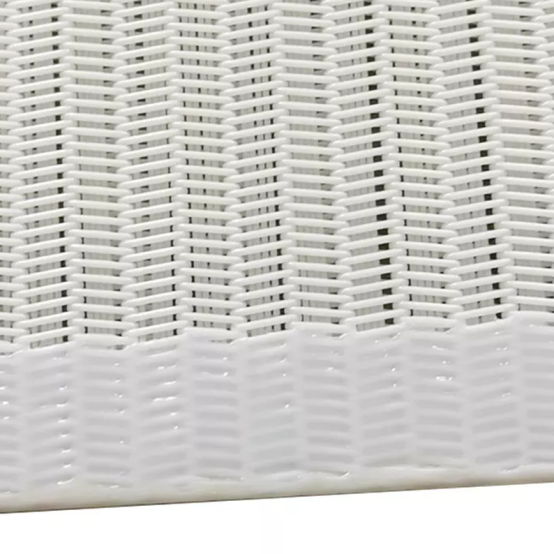
Press felt is a specialized textile material commonly used in various industries, including paper, textiles, and non-woven fabric production. In blanket manufacturing, press felt plays a crucial role in the production process, offering unique properties that enhance the overall quality of the final product. Understanding press felt's composition and functionality can help manufacturers make informed decisions about their production materials.
Press Felt in Blanket Manufacturing
Traditionally, blankets were manufactured using a variety of materials, often resulting in inconsistencies in quality and performance. By integrating press felt into the manufacturing process, companies have discovered a reliable method for achieving uniformity in thickness and texture. Press felt is typically made from natural fibers or synthetic materials, designed to provide excellent absorption and stability during the blanket-making process.
Key Advantages of Using Press Felt
The decision to use press felt in blanket manufacturing brings a host of advantages that can help companies stay competitive in a crowded market. Below, we delve deeper into these advantages:
1. Superior Absorbency
One of the standout features of press felt is its superior absorbency. This characteristic allows for better moisture control during the manufacturing process, ensuring that the fibers used in blanket production maintain their integrity and do not clump together.
2. Enhanced Texture and Comfort
Press felt contributes to a softer, more luxurious feel in finished blankets. The plush texture created by the use of press felt enhances the overall user experience, making blankets more appealing to consumers.
3. Long-lasting Durability
Durability is a key factor in the blanket industry, and press felt offers exceptional longevity. By incorporating press felt, manufacturers can produce blankets that withstand the test of time, reducing the frequency of replacements for consumers.
Enhanced Quality and Durability
Quality and durability are paramount in blanket manufacturing. Press felt significantly enhances both aspects, ensuring that blankets not only meet but exceed consumer expectations. The use of press felt leads to tighter fiber bonding and a more consistent structure, which translates into blankets that are resilient against wear and tear.
Resistance to Pilling
Another benefit of using press felt is its natural resistance to pilling. This characteristic is essential for maintaining the aesthetic appeal of blankets, as pilling can detract from the visual quality over time. By using press felt, manufacturers can produce blankets that remain smooth and attractive, even after multiple washes.
Improved Production Efficiency
Efficiency in production is critical to maintaining profitability in the blanket manufacturing industry. The integration of press felt into the production process streamlines various stages, reducing waste and improving output.
Streamlined Processes
Using press felt allows for more streamlined processes. It aids in quicker drying times and easier handling, which can significantly reduce the overall production time. This efficiency enables manufacturers to meet growing demand without sacrificing quality.
Reduction in Waste
Another aspect of improved efficiency is the reduction of waste. Press felt minimizes excess material waste during production, translating into cost savings. This capability is particularly beneficial in an industry where margins can be tight.
Sustainability and Environmental Benefits
As sustainability becomes a critical focus across all industries, the use of environmentally friendly materials is on the rise. Press felt can be produced from recycled materials, making it an excellent choice for manufacturers aiming to reduce their environmental footprint.
Eco-friendly Materials
Many press felts are made from eco-friendly fibers, which not only benefit the environment but also appeal to eco-conscious consumers. This shift toward sustainability can enhance a brand's reputation and attract a wider customer base.
Reduced Carbon Footprint
The adoption of press felt in blanket manufacturing contributes to a reduced carbon footprint. Since press felt can streamline production processes and reduce waste, manufacturers can operate more efficiently and sustainably.
Cost-Effectiveness of Press Felt
While the initial investment in high-quality press felt may be higher than some alternative materials, the long-term cost benefits are undeniable. The durability, reduced waste, and enhanced production efficiency translate into significant savings over time.
Lower Maintenance Costs
Durable products result in lower maintenance costs for consumers, as they do not require frequent replacement. This factor can significantly influence purchasing decisions, making press felt blankets an attractive option for budget-conscious buyers.
Increased Production Output
Increased production output leads to improved profitability. By utilizing press felt, manufacturers can produce more blankets in a shorter time frame, allowing for higher revenue generation with less overhead.
Case Studies and Industry Examples
To understand the tangible benefits of using press felt, examining real-world examples is essential. Many manufacturers have reported increased sales, improved customer satisfaction, and enhanced production metrics after transitioning to press felt.
Industry Leader Success Stories
Several industry leaders have embraced press felt and seen significant improvements in their production processes. For instance, a notable blanket manufacturer transitioned to press felt and reported a 30% reduction in production time while maintaining product quality standards.
Frequently Asked Questions
1. What is press felt made of?
Press felt can be made from a variety of materials, including natural fibers like wool and cotton, as well as synthetic fibers. The choice of material often depends on the specific application and desired characteristics of the final product.
2. How does press felt improve blanket quality?
Press felt enhances blanket quality by providing superior moisture absorption, contributing to a softer texture and greater durability, while minimizing pilling and maintaining aesthetic appeal.
3. Is press felt environmentally friendly?
Yes, many press felts are made from recycled or eco-friendly materials. This makes them a sustainable choice for manufacturers looking to reduce their environmental impact.
4. Can using press felt reduce production costs?
While the initial investment may be higher, the long-term savings from reduced waste, lower maintenance costs, and increased production efficiency can lead to significant cost reductions.
5. Are there specific industries that benefit most from press felt?
Press felt is widely used in blanket manufacturing, but it is also beneficial in industries such as paper production, textiles, and non-woven fabric manufacturing.
Conclusion
The integration of press felt into the blanket manufacturing process offers numerous benefits that can transform production practices. From enhancing quality and durability to improving production efficiency and sustainability, press felt proves to be a game-changer in the industry. As manufacturers seek to meet consumer demands for high-quality, eco-friendly products, embracing press felt is not just an option—it's a strategic necessity for success in the competitive blanket market.
Qinyang NH Paper Machinery Industrial Group Co., Ltd.
WhatsApp/WeChat:Cathy Wang 0086-15721522521
WhatsApp/WeChat:Ailsa Zhao 0086-18300605679
ADD: Jianshe Road(South),Qinyang City Henan Province,China

Cathy Wang

Alisa Zhao

TikTok
Copyright©Qinyang City Nianhai Net Industry Co., Ltd.
SAF Coolest v1.3.1.1 设置面板 AIVSX-ZBBO-FQSEE-ZAS
无数据提示
Sorry, the current column has no content for the time being.!
You can view other columns or returnHome Page