

Essential Insights into Pulp and Paper Making Equipment
Release time:
2025-02-16
The pulp and paper industry is fundamental in producing a wide range of products, from newspapers to packaging materials. Understanding the essential pulp and paper making equipment is crucial for professionals in the manufacturing sector. This equipment encompasses a variety of machines and technologies designed to convert raw materials into high-quality paper products efficiently. At the core of
At the core of pulp and paper manufacturing are several key processes: pulping, washing, bleaching, and forming. The first step, pulping, involves breaking down wood chips or other fibrous materials into a slurry of fibers. This is typically achieved using either mechanical or chemical processes. Mechanical pulping utilizes grinding and refining techniques, while chemical pulping employs chemicals to dissolve lignin, the natural binder in wood fibers. The choice of pulping method directly impacts the quality of the final paper product.
Once the fibers are separated, they undergo washing to remove impurities and residual chemicals. This step is essential for ensuring that the final paper is clean and free from unwanted substances. The washing process often utilizes vacuum washers or pressure filters, which effectively separate the pulp from water and contaminants.
Bleaching is another critical stage in the pulp and paper making process. This step enhances the brightness and purity of the fibers, making them suitable for producing high-quality paper. Various bleaching agents, including chlorine dioxide, hydrogen peroxide, and ozone, can be used depending on the desired paper characteristics and environmental considerations. However, it is essential to balance bleaching with sustainability practices to minimize the environmental impact.
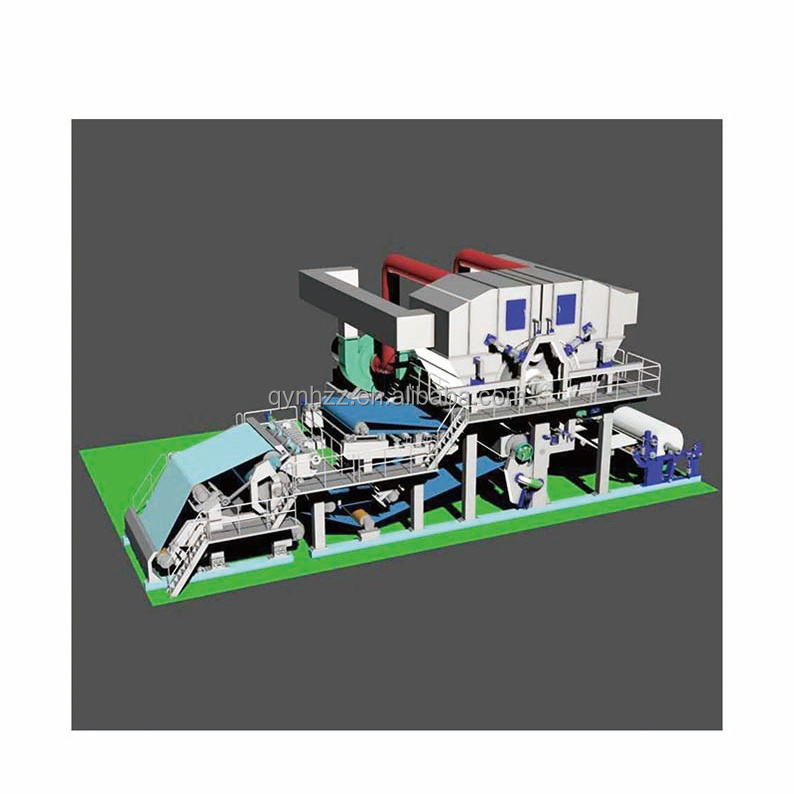
Once the pulp is prepared, it moves on to the forming stage, where the pulp slurry is spread onto a moving screen to allow water to drain away, forming a wet sheet of paper. This stage requires specialized forming equipment, such as Fourdrinier machines or cylinder molds, which help shape and press the paper to the desired thickness and texture.
After forming, the paper passes through several drying and finishing processes. Drying machines, typically using steam-heated cylinders, remove remaining moisture, while calenders smooth the paper surface. The final product is then rolled or cut into sheets, ready for distribution.
In conclusion, understanding pulp and paper making equipment is vital for industry professionals aiming to optimize their production processes. By comprehending the roles of various machines and technologies involved in pulping, washing, bleaching, forming, and finishing, manufacturers can enhance efficiency, product quality, and sustainability in their operations. Staying informed about advancements in pulp and paper technology can also provide a competitive edge in this ever-evolving industry.
Qinyang NH Paper Machinery Industrial Group Co., Ltd.
WhatsApp/WeChat:Cathy Wang 0086-15721522521
WhatsApp/WeChat:Ailsa Zhao 0086-18300605679
ADD: Jianshe Road(South),Qinyang City Henan Province,China

Cathy Wang

Alisa Zhao

TikTok
Copyright©Qinyang City Nianhai Net Industry Co., Ltd.
SAF Coolest v1.3.1.1 设置面板 AIVSX-ZBBO-FQSEE-ZAS
无数据提示
Sorry, the current column has no content for the time being.!
You can view other columns or returnHome Page