

Discover the Exceptional Advantages of Investing in Toilet Paper Manufacturing Equipment
Release time:
2025-03-08
Discover the Exceptional Advantages of Investing in Toilet Paper Manufacturing Equipment Table of Contents 1. Introduction to Toilet Paper Manufacturing Equipment 2. Financial Benefits of Owning Manufacturing Equipment 3. Enhancing Operational Efficiency 4. Importance of Quality Control in Toilet Paper Production 5. Sustainability in Toilet Paper Manufacturing 6. Under
Discover the Exceptional Advantages of Investing in Toilet Paper Manufacturing Equipment
Table of Contents
- 1. Introduction to Toilet Paper Manufacturing Equipment
- 2. Financial Benefits of Owning Manufacturing Equipment
- 3. Enhancing Operational Efficiency
- 4. Importance of Quality Control in Toilet Paper Production
- 5. Sustainability in Toilet Paper Manufacturing
- 6. Understanding Market Demand and Trends
- 7. Technology Advancements in Manufacturing Equipment
- 8. Choosing the Right Equipment for Your Needs
- 9. Frequently Asked Questions
- 10. Conclusion
1. Introduction to Toilet Paper Manufacturing Equipment
In today’s fast-paced world, toilet paper remains an essential commodity. As demand continues to rise, establishing a toilet paper manufacturing operation presents a lucrative opportunity. Investing in **state-of-the-art toilet paper manufacturing equipment** not only enhances production capabilities but also streamlines processes for higher profitability. In this article, we will explore the significant benefits of investing in high-quality manufacturing machinery for toilet paper production.
2. Financial Benefits of Owning Manufacturing Equipment
Investing in toilet paper manufacturing equipment can lead to substantial financial advantages. Here are some key points to consider:
2.1 Cost Savings
Owning your manufacturing equipment reduces dependency on suppliers, allowing for greater control over production costs. This leads to significant **savings on long-term operational expenses**. By purchasing raw materials in bulk and optimizing production processes, manufacturers can significantly lower their product costs.
2.2 Increased Profit Margins
With in-house production, companies can adjust pricing strategies while maintaining quality. **Higher profit margins** can be achieved by effectively managing production costs and optimizing resource utilization. Additionally, owning manufacturing equipment allows for flexibility in product development and innovation, leading to potentially new revenue streams.
2.3 Return on Investment (ROI)
The ROI from investing in toilet paper manufacturing equipment can be remarkable. Typically, the equipment pays for itself within a few years, depending on the efficiency of operations and market demand. Furthermore, having control over production processes allows for quick adjustments in response to market fluctuations, enhancing the potential for profit.
3. Enhancing Operational Efficiency
Operational efficiency is crucial in the manufacturing industry. Toilet paper manufacturing equipment is specifically designed to optimize productivity and minimize waste.
3.1 Streamlined Production Processes
Modern equipment features advanced technology that streamlines production workflows. Automated processes reduce manual labor requirements, increase throughput, and ensure consistent quality across batches. These efficiencies can lead to quicker turnaround times and improved customer satisfaction.
3.2 Reduced Downtime
Investing in high-quality manufacturing equipment results in lower maintenance issues and reduced downtime. Reliable machinery enhances production schedules and allows companies to meet customer demands without interruption. Routine maintenance and a focus on preventive care can further extend equipment lifespan, maximizing investment.
4. Importance of Quality Control in Toilet Paper Production
Quality control is paramount in the production of toilet paper. The right manufacturing equipment can enhance quality assurance processes.
4.1 Consistency in Product Quality
Investing in advanced manufacturing equipment ensures that each roll of toilet paper meets specific quality standards. High-precision machinery can accurately control production parameters, leading to uniform product specifications. This consistency builds customer trust and brand loyalty.
4.2 Compliance with Industry Standards
Toilet paper producers must adhere to various regulatory standards regarding hygiene and safety. Quality equipment often comes with features that facilitate compliance, ensuring that products meet necessary certifications. This not only protects consumers but also enhances a brand’s market reputation.
5. Sustainability in Toilet Paper Manufacturing
As environmental consciousness grows, sustainable practices in toilet paper production are gaining importance.
5.1 Eco-Friendly Materials
Investing in modern manufacturing equipment allows for the use of **recycled and environmentally friendly materials**. This not only minimizes waste but also appeals to eco-conscious consumers. Equipment designed for sustainable production can optimize the use of raw materials, reducing the overall carbon footprint.
5.2 Energy Efficiency
Upgrading to energy-efficient manufacturing equipment can significantly reduce energy consumption. This not only lowers operational costs but also contributes to a sustainable production model. Companies can market their operations as environmentally friendly, attracting a broader customer base.
6. Understanding Market Demand and Trends
The toilet paper market is influenced by various factors, including consumer behavior and global events.
6.1 Identifying Trends
Investing in manufacturing equipment that is adaptable to changing market trends enables companies to stay ahead of the curve. Whether it involves producing biodegradable products or developing innovative packaging, flexibility in manufacturing can capture new consumer segments.
6.2 Responsiveness to Market Fluctuations
Having your manufacturing capabilities allows businesses to respond quickly to increased demand, such as during public health crises. This adaptability ensures that companies can scale production up or down as needed, protecting their market position.
7. Technology Advancements in Manufacturing Equipment
The toilet paper manufacturing industry is continuously evolving with advances in technology.
7.1 Smart Manufacturing
Integrating smart technology into manufacturing processes can streamline operations. **IoT devices** can monitor machinery performance in real-time, enabling predictive maintenance and reducing unexpected breakdowns. This technology enhances efficiency and minimizes costs.
7.2 Automation and Robotics
Automation has revolutionized manufacturing processes. Robotic systems can handle repetitive tasks, allowing human workers to focus on more complex challenges. This leads to increased productivity and reduced labor costs, ultimately improving the bottom line.
8. Choosing the Right Equipment for Your Needs
Selecting the right manufacturing equipment is crucial for successful operations.
8.1 Assessing Production Needs
Before investing, it’s essential to evaluate your production capacity requirements. Understanding your target market and volume expectations will guide you in selecting machinery that aligns with your business goals.
8.2 Collaborating with Experts
Partnering with manufacturers and suppliers who specialize in toilet paper production equipment can provide valuable insights. Experts can help you navigate the complexities of machinery selection, ensuring that you choose equipment that meets both your operational needs and budget.
9. Frequently Asked Questions
9.1 What are the main costs associated with toilet paper manufacturing equipment?
The primary costs include the initial purchase price, installation, maintenance, and operational costs such as raw materials and energy consumption.
9.2 How long does it take to see a return on investment?
Typically, ROI can be seen within a few years, depending on production efficiency and market demand.
9.3 Are there specific regulations for toilet paper manufacturing?
Yes, manufacturers must adhere to industry standards and regulations concerning hygiene, safety, and environmental impact.
9.4 What types of equipment are essential for toilet paper production?
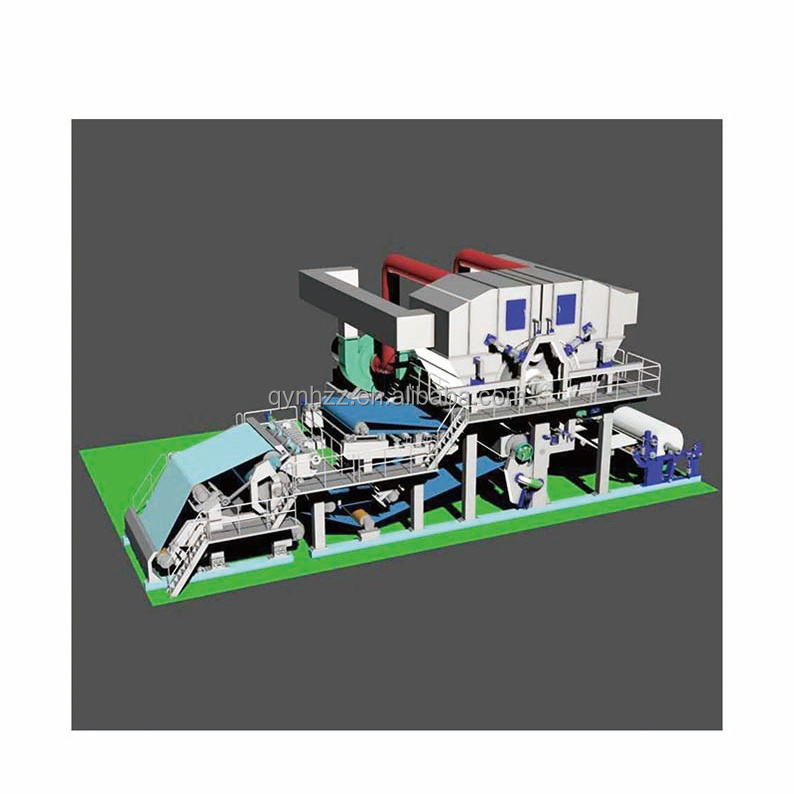
Essential equipment includes pulpers, sheet forming machines, dryers, and packaging machinery.
9.5 How can sustainability be incorporated into toilet paper manufacturing?
By utilizing eco-friendly materials, investing in energy-efficient machinery, and implementing waste reduction practices, manufacturers can enhance sustainability.
10. Conclusion
Investing in toilet paper manufacturing equipment is a strategic move for businesses looking to capitalize on a growing market. The financial advantages, operational efficiencies, commitment to quality, and sustainability benefits cannot be overlooked. By leveraging modern technology and understanding market trends, manufacturers can position themselves for success in a competitive landscape. Embracing these innovations and considerations will not only improve profitability but also enhance brand reputation and customer loyalty, ultimately securing a leading position in the toilet paper manufacturing industry.
Qinyang NH Paper Machinery Industrial Group Co., Ltd.
WhatsApp/WeChat:Cathy Wang 0086-15721522521
WhatsApp/WeChat:Ailsa Zhao 0086-18300605679
ADD: Jianshe Road(South),Qinyang City Henan Province,China

Cathy Wang

Alisa Zhao

TikTok
Copyright©Qinyang City Nianhai Net Industry Co., Ltd.
SAF Coolest v1.3.1.1 设置面板 AIVSX-ZBBO-FQSEE-ZAS
无数据提示
Sorry, the current column has no content for the time being.!
You can view other columns or returnHome Page