

Essential Insights into Toilet Paper Making Machinery for the Manufacturing Sector
Release time:
2024-10-30
Toilet paper making machinery plays a vital role in the manufacturing sector, particularly within the paper processing industry. The production of toilet paper involves various stages, from raw material handling to the conversion of pulp into finished products. Understanding the machinery involved can help manufacturers optimize their operations and meet market demands effectively. The primary com
Toilet paper making machinery plays a vital role in the manufacturing sector, particularly within the paper processing industry. The production of toilet paper involves various stages, from raw material handling to the conversion of pulp into finished products. Understanding the machinery involved can help manufacturers optimize their operations and meet market demands effectively.
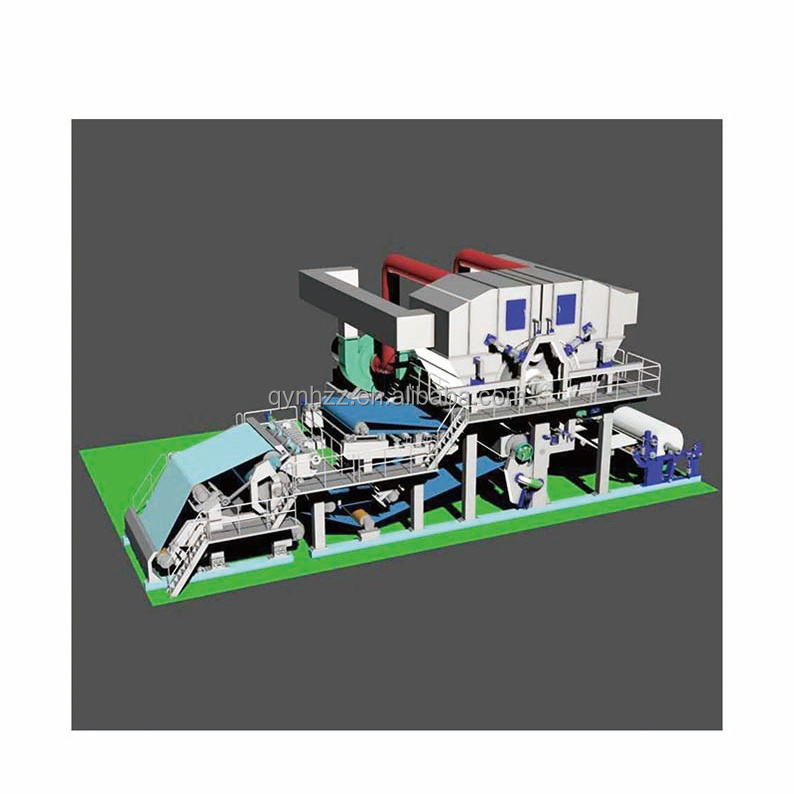
The primary components of toilet paper making machinery include pulp preparation systems, forming sections, pressing units, drying sections, and rewinding systems. Each of these components plays a critical role in the production process. For instance, pulp preparation systems are responsible for converting raw fiber into a slurry that can be formed into sheets. This process often includes refining and bleaching to ensure the quality of the final product.
The forming section is where the pulp slurry is shaped into sheets. This is typically achieved through a Fourdrinier machine, which utilizes a continuous belt to allow water to drain away, leaving behind a wet web of fiber. This step is crucial, as the uniformity of the sheet affects the overall quality of the toilet paper.
Once the sheet is formed, it moves to the pressing units, where water is further removed, and the sheet is compacted. This is followed by the drying section, where the sheets are dried using heated cylinders or air drying systems. Efficient drying is essential, as it impacts the texture and absorbency of the final product.
After drying, the sheets are wound into large rolls in the rewinding section. These rolls can then be cut into smaller sizes for consumer use. The entire process is designed to be efficient, with modern toilet paper making machinery incorporating advanced technologies such as automation and process control systems. This not only enhances production speed but also ensures consistent quality.
When selecting toilet paper making machinery, manufacturers should consider several factors. First, the capacity of the machinery needs to align with production goals. Additionally, the adaptability of the machinery to different raw materials can provide flexibility in production. Energy efficiency is another critical factor, as it can significantly impact operational costs over time.
In conclusion, toilet paper making machinery is a complex yet fascinating field that combines various technologies and processes. By understanding the machinery's components and their functions, manufacturing professionals can make informed decisions that enhance productivity and quality in their operations. As the demand for toilet paper continues to grow, investing in the right machinery will be crucial for staying competitive in the market.
Qinyang NH Paper Machinery Industrial Group Co., Ltd.
WhatsApp/WeChat:Cathy Wang 0086-15721522521
WhatsApp/WeChat:Ailsa Zhao 0086-18300605679
ADD: Jianshe Road(South),Qinyang City Henan Province,China

Cathy Wang

Alisa Zhao

TikTok
Copyright©Qinyang City Nianhai Net Industry Co., Ltd.
SAF Coolest v1.3.1.1 设置面板 AIVSX-ZBBO-FQSEE-ZAS
无数据提示
Sorry, the current column has no content for the time being.!
You can view other columns or returnHome Page