

The Critical Role of Papermaking Forming Wire in Modern Paper Production
Release time:
2024-10-16
The Critical Role of Papermaking Forming Wire in Modern Paper Production Table of Contents 1. Introduction to Papermaking Forming Wire 2. The Function of Forming Wire in Papermaking 3. Types of Papermaking Forming Wire 3.1 Woven Forming Wire 3.2 Non-woven Forming Wire 4. Materials Used in Forming Wire Manufacturing 5. Maintenance of Pa
The Critical Role of Papermaking Forming Wire in Modern Paper Production
Table of Contents
- 1. Introduction to Papermaking Forming Wire
- 2. The Function of Forming Wire in Papermaking
- 3. Types of Papermaking Forming Wire
- 4. Materials Used in Forming Wire Manufacturing
- 5. Maintenance of Papermaking Forming Wire
- 6. Impact of Forming Wire on Paper Quality
- 7. Trends in Forming Wire Technology
- 8. Frequently Asked Questions
- 9. Conclusion
1. Introduction to Papermaking Forming Wire
Papermaking forming wire is a crucial component in the paper production process. It serves as the foundation upon which the paper web is formed, playing a significant role in determining the final product's quality. Understanding its importance not only aids in the production of high-quality paper but also enhances the efficiency of manufacturing processes.
2. The Function of Forming Wire in Papermaking
The primary function of forming wire is to support the wet fiber mat as it moves through the paper machine. It allows the water to drain away while simultaneously holding the fibers together. This drainage process is vital for producing paper with the desired thickness, density, and strength.
Forming wire is engineered to create a specific mesh size, which influences the characteristics of the paper produced. The size of the wire openings can affect the formation, drainage, and ultimately, the overall quality of the finished product.
3. Types of Papermaking Forming Wire
Understanding the different types of papermaking forming wire is essential for optimizing production processes and ensuring high-quality output.
3.1 Woven Forming Wire
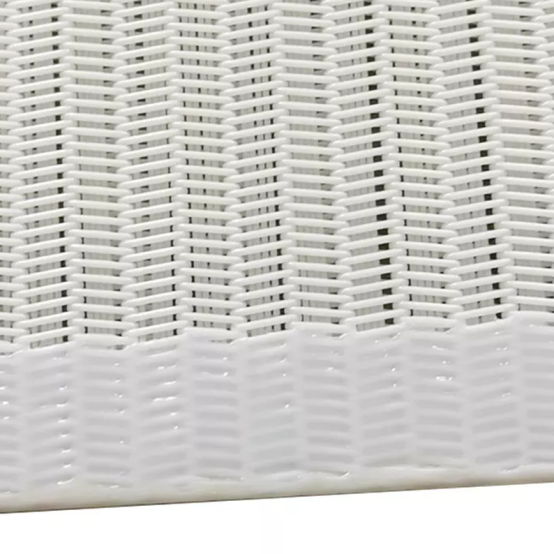
Woven forming wire is the most common type used in the industry. It is made by interlacing filaments in a specific pattern, which provides excellent drainage and fiber retention. Woven wires are available in various mesh sizes, allowing manufacturers to choose the one best suited for their specific paper grades.
3.2 Non-woven Forming Wire
Unlike woven wires, non-woven forming wires are produced using a different technique that does not involve interlacing filaments. This type of forming wire is typically used in applications where higher resistance to abrasion and wear is required. Non-woven wires can provide enhanced durability and longevity, making them ideal for high-speed paper machines.
4. Materials Used in Forming Wire Manufacturing
The materials used to manufacture forming wire significantly impact its performance and durability. Common materials include stainless steel, polyester, and nylon.
Stainless steel is favored for its strength and resistance to corrosion, making it suitable for various environments. Polyester forming wires offer excellent wear resistance and are lightweight, which can enhance machine efficiency. Nylon wires, on the other hand, provide flexibility and elasticity, catering to specific production needs.
5. Maintenance of Papermaking Forming Wire
Proper maintenance of forming wire is essential to ensure its longevity and effective performance. Regular inspections should be conducted to identify wear and tear. Cleaning is also a crucial aspect of maintenance, as debris buildup can affect water drainage and paper quality.
Best practices for maintenance include:
- **Regularly inspecting wire for damage or wear**: Early detection can prevent costly downtime.
- **Using appropriate cleaning methods**: Gentle cleaning can remove debris without damaging the wire.
- **Monitoring drainage efficiency**: Any decrease in efficiency may signal the need for maintenance or replacement.
6. Impact of Forming Wire on Paper Quality
The choice of forming wire has a direct impact on the quality of the paper produced. Key factors influenced by forming wire include:
- **Fiber Retention**: A well-designed forming wire retains more fibers, leading to stronger paper.
- **Drainage Rate**: Faster drainage rates result in lower moisture content in the final product, which is crucial for achieving desired properties.
- **Surface Finish**: The wire's mesh pattern can affect the surface smoothness and texture of the paper.
Investing in high-quality forming wire can lead to improvements in product consistency and overall performance, ultimately enhancing end-user satisfaction.
7. Trends in Forming Wire Technology
As the papermaking industry continues to evolve, so do the technologies associated with forming wire. Current trends include:
- **Customization**: Manufacturers are increasingly offering customized forming wires tailored to specific production needs, enhancing the efficiency and quality of paper production.
- **Sustainable Materials**: The industry is moving towards eco-friendly materials to manufacture forming wires, aligning with global sustainability goals.
- **Advanced Coatings**: New coating technologies are being developed to improve the durability and performance of forming wires in demanding environments.
These trends indicate a forward-thinking approach in the industry, focusing on efficiency, sustainability, and quality improvement.
8. Frequently Asked Questions
**Q1: What is the lifespan of papermaking forming wire?**
A1: The lifespan of forming wire can vary based on the materials used and the conditions of use, but with proper maintenance, it can last several months to a few years.
**Q2: How do I choose the right forming wire for my paper machine?**
A2: Selection should be based on the specific requirements of the paper being produced, including desired thickness, strength, and drainage characteristics.
**Q3: Can forming wire impact the speed of the paper machine?**
A3: Yes, the type and condition of forming wire can significantly influence the machine's speed and efficiency. A well-maintained wire can improve drainage, allowing for faster production rates.
**Q4: What are the signs that my forming wire needs to be replaced?**
A4: Signs include noticeable wear, reduced drainage efficiency, and increased fiber loss.
**Q5: Are there specific cleaning methods recommended for forming wire?**
A5: It's best to use non-abrasive cleaning solutions and methods that do not compromise the wire's integrity while effectively removing debris.
9. Conclusion
In the modern paper production landscape, the role of papermaking forming wire cannot be overstated. Its critical functions in drainage, fiber retention, and overall paper quality make it an essential component of the manufacturing process. Understanding the various types, materials, maintenance practices, and trends in forming wire technology provides a comprehensive overview for industry professionals. As technology continues to advance, staying informed about these developments will ensure that manufacturers can adapt and thrive in a competitive market. By investing in high-quality forming wire and adopting best practices for maintenance, paper manufacturers can enhance product quality, improve efficiency, and ultimately satisfy customer demands.
Qinyang NH Paper Machinery Industrial Group Co., Ltd.
WhatsApp/WeChat:Cathy Wang 0086-15721522521
WhatsApp/WeChat:Ailsa Zhao 0086-18300605679
ADD: Jianshe Road(South),Qinyang City Henan Province,China

Cathy Wang

Alisa Zhao

TikTok
Copyright©Qinyang City Nianhai Net Industry Co., Ltd.
SAF Coolest v1.3.1.1 设置面板 AIVSX-ZBBO-FQSEE-ZAS
无数据提示
Sorry, the current column has no content for the time being.!
You can view other columns or returnHome Page