

Understanding Pulp and Paper Making Equipment: A Comprehensive Guide
Release time:
2024-10-18
The pulp and paper making industry is a vital sector that transforms raw materials into finished paper products. The equipment used in this process is diverse and plays a crucial role in ensuring efficiency and quality in production. Understanding the various types of pulp and paper making equipment can provide valuable insights for professionals in the manufacturing and processing machinery indus
At the heart of the pulp and paper manufacturing process is the pulping equipment. This machinery is tasked with breaking down wood chips or other fibrous materials into a slurry of cellulose fibers. There are primarily two methods for pulping: mechanical and chemical. Mechanical pulping uses physical force to separate fibers, while chemical pulping involves the use of chemical solutions to dissolve lignin, allowing for a cleaner and more refined pulp. The choice of method can significantly affect the quality and characteristics of the final paper product.
Once the pulp is created, it is essential to remove excess water and prepare it for the papermaking process. This is where dewatering equipment comes into play. Machines such as vacuum filters and screw presses help eliminate moisture from the pulp, ensuring that it reaches the desired consistency before being formed into sheets. Proper dewatering is crucial, as it impacts the energy consumption and drying efficiency of the subsequent processes.
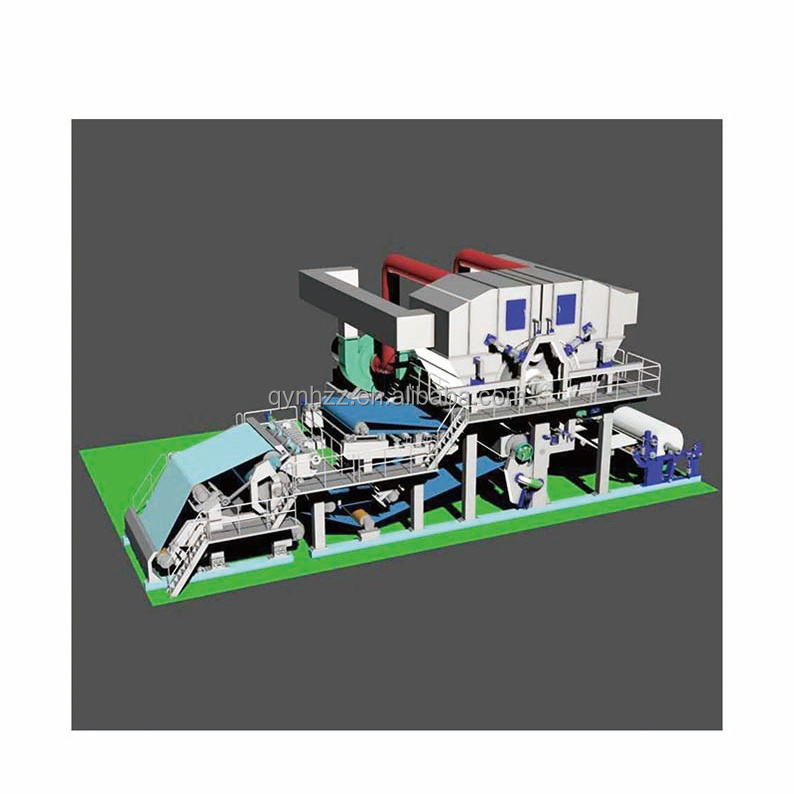
The next step involves the formation of the paper sheet, which is done using a paper machine. This sophisticated equipment consists of several components, including a headbox, forming section, press section, and dryer section. The headbox distributes the pulp onto a moving screen, allowing water to drain away and forming a wet sheet of paper. The press section further reduces water content through mechanical pressure, while the dryer section uses heat to remove remaining moisture, resulting in a dry paper sheet.
After the paper has been formed, finishing equipment comes into play. This includes machines for cutting, rolling, and packaging the final product. Finishing operations are vital for preparing paper for distribution and sale, ensuring that it meets the required specifications and quality standards.
In addition to the core machinery, various auxiliary equipment is necessary for the seamless operation of a pulp and paper mill. This includes pumps, conveyors, and control systems that help manage the flow of materials and monitor production processes.
In conclusion, understanding the various types of pulp and paper making equipment and their functions is essential for professionals in the manufacturing sector. Each piece of equipment plays a unique role in the production process, contributing to the overall efficiency and quality of the final paper products. By gaining a deeper knowledge of these technologies, industry professionals can make informed decisions that enhance productivity and sustainability within their operations.
Qinyang NH Paper Machinery Industrial Group Co., Ltd.
WhatsApp/WeChat:Cathy Wang 0086-15721522521
WhatsApp/WeChat:Ailsa Zhao 0086-18300605679
ADD: Jianshe Road(South),Qinyang City Henan Province,China

Cathy Wang

Alisa Zhao

TikTok
Copyright©Qinyang City Nianhai Net Industry Co., Ltd.
SAF Coolest v1.3.1.1 设置面板 AIVSX-ZBBO-FQSEE-ZAS
无数据提示
Sorry, the current column has no content for the time being.!
You can view other columns or returnHome Page