

Complete Set of Paper Making Machines: A Comprehensive Buyer’s Guide
Release time:
2025-02-04
Complete Set of Paper Making Machines: A Comprehensive Buyer’s Guide Table of Contents 1. Introduction to Paper Making Machines 2. Understanding the Paper Production Process 2.1 The Role of Each Component in Paper Making 2.2 Overview of Production Techniques 3. Key Types of Paper Making Machines 3.1 Fourdrinier Machines 3.2 Cylinder Machines 3.3 Specialty Paper Machines 4. Essential Features to Lo
Complete Set of Paper Making Machines: A Comprehensive Buyer’s Guide
Table of Contents
1. Introduction to Paper Making Machines
2. Understanding the Paper Production Process
2.1 The Role of Each Component in Paper Making
2.2 Overview of Production Techniques
3. Key Types of Paper Making Machines
3.1 Fourdrinier Machines
3.2 Cylinder Machines
3.3 Specialty Paper Machines
4. Essential Features to Look for in Paper Making Machines
4.1 Automation and Control Systems
4.2 Energy Efficiency
4.3 Material Compatibility
5. Factors Influencing the Cost of Paper Making Machines
5.1 Initial Capital Investment
5.2 Operating Costs and Maintenance
6. Choosing the Right Manufacturer
6.1 Researching Manufacturer Reputation
6.2 Understanding After-Sales Support
7. Frequently Asked Questions (FAQs)
8. Conclusion
1. Introduction to Paper Making Machines
The paper industry is vital to our global economy, with applications spanning from packaging to education. As demand for paper products continues to grow, manufacturers need to invest in the right equipment to remain competitive. This buyer’s guide will help you navigate the complexities of purchasing a complete set of paper making machines, ensuring you select high-quality equipment that meets your specific production needs.
2. Understanding the Paper Production Process
Before delving into machine specifications, it’s essential to grasp the paper production process. Knowing how each component contributes to the end product will help you identify the best equipment for your operations.
2.1 The Role of Each Component in Paper Making
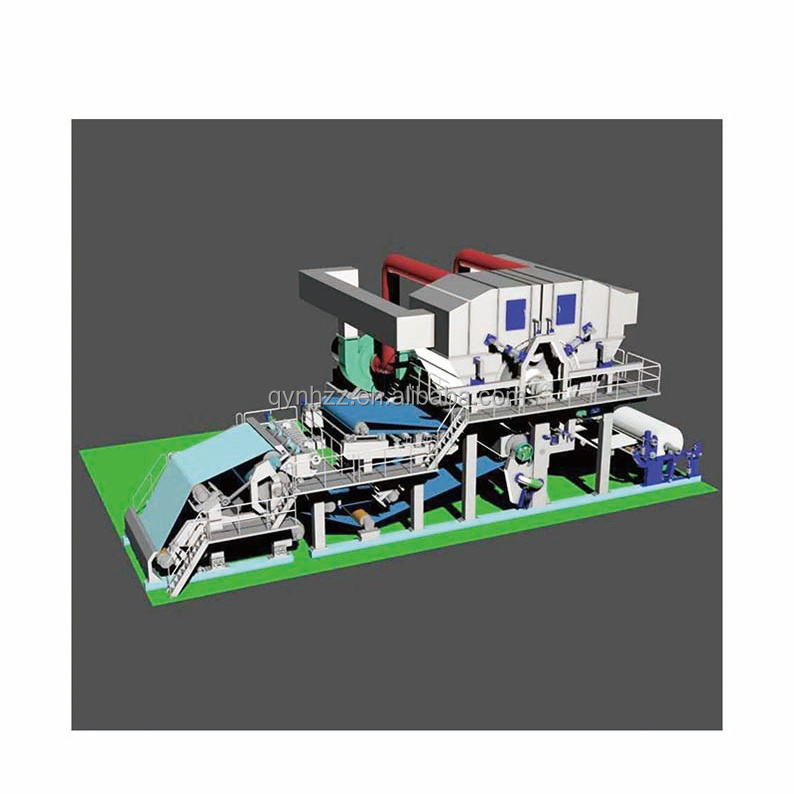
A complete paper making machine typically comprises several key components, including:
- **Stock Preparation System**: Prepares the pulp.
- **Wet End Section**: Where the pulp is formed into sheets.
- **Drying Section**: Removes moisture from the sheets.
- **Finishing Section**: Refines the paper for final use.
Each component must work in harmony to ensure efficient production.
2.2 Overview of Production Techniques
The two primary techniques in paper production are mechanical and chemical processes, which cater to different paper types. Understanding these methods can help you choose the appropriate machines for your desired end products.
3. Key Types of Paper Making Machines
In the world of paper manufacturing, different types of machines serve distinct purposes. Familiarity with these types will aid your decision-making process.
3.1 Fourdrinier Machines
Fourdrinier machines are the most common in the industry, known for their ability to produce a wide range of paper grades. They utilize a continuous process to form sheets from pulp, offering high efficiency and consistent quality.
3.2 Cylinder Machines
Cylinder machines excel in producing thicker papers, such as cardboard. Their unique design allows for greater control over the sheet formation, making them ideal for specialized applications.
3.3 Specialty Paper Machines
These machines cater to niche markets, producing specific types of papers like tissue, filter, or coated papers. Identifying these machines can open up new business opportunities.
4. Essential Features to Look for in Paper Making Machines
When it comes to investing in paper making machines, certain features can significantly enhance production efficiency and product quality.
4.1 Automation and Control Systems
Modern paper making machines come equipped with advanced automation systems that streamline operations, reduce labor costs, and minimize errors. Look for machines with user-friendly interfaces and real-time monitoring capabilities.
4.2 Energy Efficiency
In today’s eco-conscious environment, energy-efficient machines are a top priority. Evaluate the energy consumption of potential machines and consider their long-term operational cost savings.
4.3 Material Compatibility
Ensure the machines you consider can handle the types of raw materials you intend to use. Compatibility plays a crucial role in maintaining the quality of your final product.
5. Factors Influencing the Cost of Paper Making Machines
Understanding the cost dynamics will help you budget effectively for your investment.
5.1 Initial Capital Investment
The initial costs of purchasing paper making machines can vary significantly based on type, capacity, and manufacturer. Conduct thorough market research to understand pricing trends.
5.2 Operating Costs and Maintenance
In addition to the purchase price, consider ongoing operational costs such as energy consumption, labor, and maintenance. Investing in machines that require less maintenance can yield long-term savings.
6. Choosing the Right Manufacturer
Selecting a reputable manufacturer is as crucial as choosing the right machine. A reliable manufacturer can provide support and resources that can enhance your overall experience.
6.1 Researching Manufacturer Reputation
Before making a decision, research potential manufacturers. Look for reviews, testimonials, and case studies that showcase their reliability and quality of service.
6.2 Understanding After-Sales Support
In the manufacturing world, after-sales support is vital. Ensure the manufacturer offers comprehensive support, including installation, training, and maintenance services.
7. Frequently Asked Questions (FAQs)
What is a complete set of paper making machines?
A complete set includes all necessary components for producing paper, including stock preparation, wet end, drying, and finishing sections.
How do I determine the best type of paper making machine for my needs?
Assess your target market, the types of paper you wish to produce, and your production capacity to select the right machine.
What factors affect the price of paper making machines?
The price is influenced by machine type, capacity, brand reputation, and additional features like automation.
Are energy-efficient machines worth the investment?
Yes, energy-efficient machines often lead to significant cost savings in the long run, making them a wise investment.
How important is after-sales support from the manufacturer?
After-sales support is crucial for maintenance, troubleshooting, and training, ensuring that your operations run smoothly.
8. Conclusion
Investing in a complete set of paper making machines is a significant decision that can shape the future of your paper manufacturing business. By understanding the production process, recognizing the various types of machines, and evaluating key features, you can make informed choices that will not only boost your productivity but also enhance the quality of your products. With careful consideration and thorough research, you can navigate the complexities of the market and find the perfect machinery to meet your unique needs.
Qinyang NH Paper Machinery Industrial Group Co., Ltd.
WhatsApp/WeChat:Cathy Wang 0086-15721522521
WhatsApp/WeChat:Ailsa Zhao 0086-18300605679
ADD: Jianshe Road(South),Qinyang City Henan Province,China

Cathy Wang

Alisa Zhao

TikTok
Copyright©Qinyang City Nianhai Net Industry Co., Ltd.
SAF Coolest v1.3.1.1 设置面板 AIVSX-ZBBO-FQSEE-ZAS
无数据提示
Sorry, the current column has no content for the time being.!
You can view other columns or returnHome Page