

Essential Insights into Pulp and Paper Making Equipment: Enhancing Production Efficiency
Release time:
2025-02-08
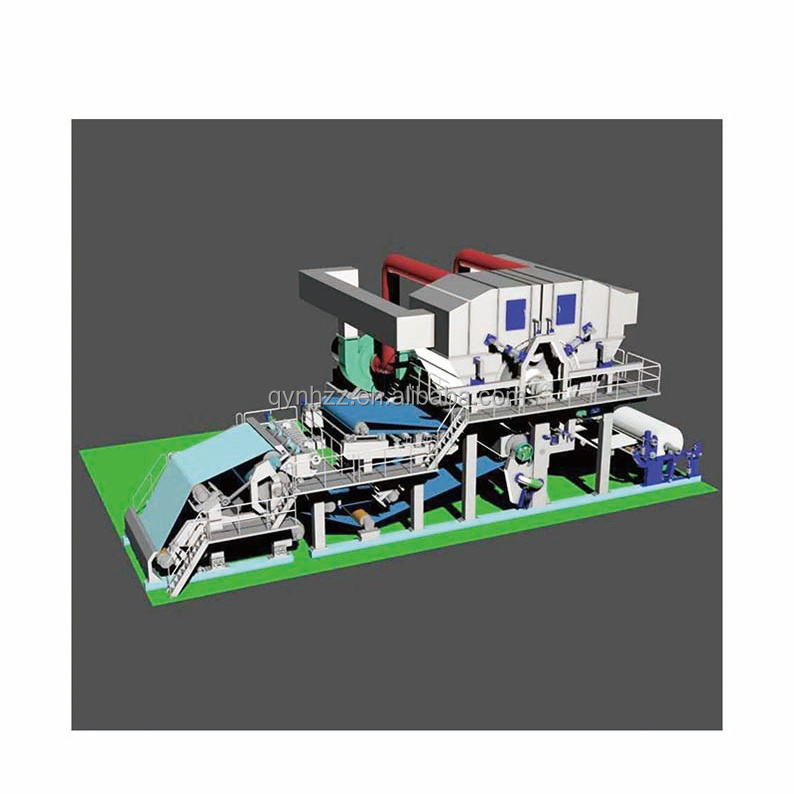
The pulp and paper industry forms the backbone of a multitude of sectors, from packaging to printing. Understanding the essential components and technologies behind pulp and paper making equipment can significantly enhance production efficiency and quality. This equipment is designed to convert raw materials, primarily wood chips and recycled paper, into finished paper products through a complex s
At the core of pulp and paper making is the pulping process, where wood fibers are separated and transformed. This can be achieved through mechanical, chemical, or semi-chemical methods. Mechanical pulping is ideal for producing high-yield pulp, while chemical pulping, often utilizing substances like sodium hydroxide and sodium sulfide, results in higher-quality pulp with fewer impurities. Selecting the right pulping method depends on the desired quality of the finished product and the types of raw materials available.
Once the pulp is produced, it undergoes a refining process, which involves mechanical and chemical treatments to improve fiber flexibility and drainage properties. This step is crucial for enhancing the physical properties of the paper, such as strength and printability. Effective refining equipment should be capable of adjusting to the specific requirements of different pulp types and end products.
After refining, the pulp is diluted with water to form a slurry before being passed through a series of screens and cleaners to remove contaminants. This stage is essential for ensuring that the final paper product is free from defects. The choice of screening and cleaning equipment can greatly influence operational efficiency, particularly in large-scale production environments.
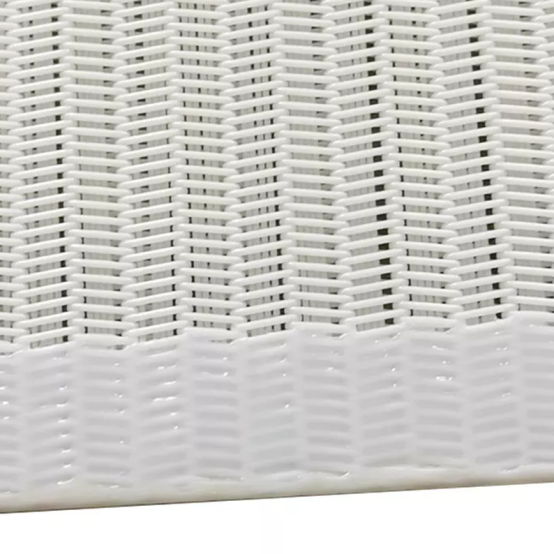
The next phase is the formation and pressing of the sheet. This is where the slurry is deposited onto a wire mesh, allowing water to drain away and forming a sheet of paper. The pressing stage removes additional moisture and increases the density of the paper. The quality of the forming and pressing equipment directly impacts the consistency and quality of the final product.
Finally, the drying process is critical to achieve the desired moisture content. Advanced drying technologies, such as infrared and hot air drying systems, can enhance this stage, improving energy efficiency and reducing production time.
In summary, understanding the various components and technologies associated with pulp and paper making equipment is vital for manufacturers seeking to optimize their processes. By carefully selecting the right equipment and refining techniques, businesses can improve product quality, reduce waste, and enhance overall productivity. Embracing innovation and efficiency in these areas is essential for remaining competitive in the ever-evolving pulp and paper industry.
Qinyang NH Paper Machinery Industrial Group Co., Ltd.
WhatsApp/WeChat:Cathy Wang 0086-15721522521
WhatsApp/WeChat:Ailsa Zhao 0086-18300605679
ADD: Jianshe Road(South),Qinyang City Henan Province,China

Cathy Wang

Alisa Zhao

TikTok
Copyright©Qinyang City Nianhai Net Industry Co., Ltd.
SAF Coolest v1.3.1.1 设置面板 AIVSX-ZBBO-FQSEE-ZAS
无数据提示
Sorry, the current column has no content for the time being.!
You can view other columns or returnHome Page