

Understanding the Importance of Paper Pulp Machines in the Manufacturing Process
Release time:
2024-08-20
In the realm of paper manufacturing, paper pulp machines play a pivotal role in the production cycle. These machines are designed to convert raw materials—such as wood chips, recycled paper, and agricultural residues—into pulp, which serves as the foundational material for paper products. Understanding the intricacies of paper pulp machinery can empower manufacturers to optimize their operations a
In the realm of paper manufacturing, paper pulp machines play a pivotal role in the production cycle. These machines are designed to convert raw materials—such as wood chips, recycled paper, and agricultural residues—into pulp, which serves as the foundational material for paper products. Understanding the intricacies of paper pulp machinery can empower manufacturers to optimize their operations and produce high-quality paper efficiently.
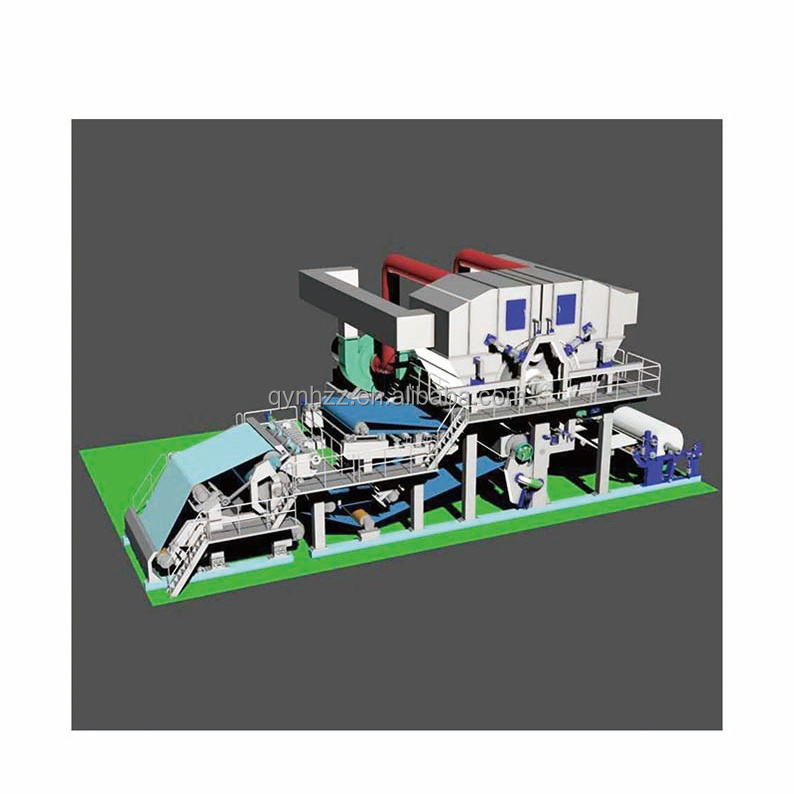
The primary function of a paper pulp machine is to break down raw materials into a fibrous pulp. This process typically involves several stages, including shredding, cooking, and refining. During shredding, the raw material is cut into smaller pieces to facilitate the cooking process, which uses heat and chemicals to dissolve the lignin—the natural glue that binds fibers together. Once the cooking is complete, the pulp is then refined to improve its physical properties, making it suitable for paper production.
One of the key advantages of utilizing a paper pulp machine is the ability to recycle waste materials, significantly reducing the need for virgin fibers. This not only lowers production costs but also supports environmental sustainability by minimizing waste and conserving natural resources. Manufacturers who adopt this approach can enhance their corporate social responsibility profile while appealing to environmentally-conscious consumers.
Moreover, modern paper pulp machines are equipped with advanced technology that allows for higher efficiency and productivity. Features such as automated controls, energy-efficient designs, and real-time monitoring systems contribute to reducing operational costs and increasing output. Companies investing in state-of-the-art pulp machinery can achieve a competitive edge in the market by producing high-quality pulp at a faster rate and with reduced energy consumption.
Maintenance is another crucial aspect of ensuring the longevity and optimal performance of paper pulp machines. Regular inspections and timely servicing can prevent unexpected breakdowns, leading to uninterrupted production schedules. Manufacturers should also consider training their staff on best practices for operating and maintaining these machines to maximize efficiency and safety.
In conclusion, paper pulp machines are integral to the paper manufacturing sector. Their ability to transform raw materials into pulp not only drives production but also supports eco-friendly practices through recycling. By understanding the functionalities and benefits of these machines, manufacturers can enhance their operations, improve product quality, and contribute positively to environmental sustainability. Investing in advanced paper pulp machinery and ensuring proper maintenance can lead to significant operational improvements, helping businesses thrive in a competitive marketplace.
Qinyang NH Paper Machinery Industrial Group Co., Ltd.
WhatsApp/WeChat:Cathy Wang 0086-15721522521
WhatsApp/WeChat:Ailsa Zhao 0086-18300605679
ADD: Jianshe Road(South),Qinyang City Henan Province,China

Cathy Wang

Alisa Zhao

TikTok
Copyright©Qinyang City Nianhai Net Industry Co., Ltd.
SAF Coolest v1.3.1.1 设置面板 AIVSX-ZBBO-FQSEE-ZAS
无数据提示
Sorry, the current column has no content for the time being.!
You can view other columns or returnHome Page